 Skip to content

Springfield, Oregon, is home to a diverse and energetic business community, ranging from light manufacturing and distribution hubs to bustling retail districts and professional medical complexes. For these businesses to thrive, every component of their physical infrastructure must operate flawlessly. However, the single most critical asset protecting a commercial property, the roofing system, is often the most ignored until a crisis strikes. A business owner typically views the ceiling as a static barrier, giving it little thought until water actively interrupts operations, damages inventory, or compromises expensive machinery. This reactive mindset is a significant financial risk. In a region characterized by heavy rainfall, seasonal temperature swings, and intense storms, waiting for a visible leak is a strategy that guarantees higher costs and operational headaches. Proactive commercial roof management, anchored by routine professional inspections, is not an unnecessary expense; it is a vital shield that protects a company’s bottom line, safeguards its physical assets, and preserves the structural integrity of the property.
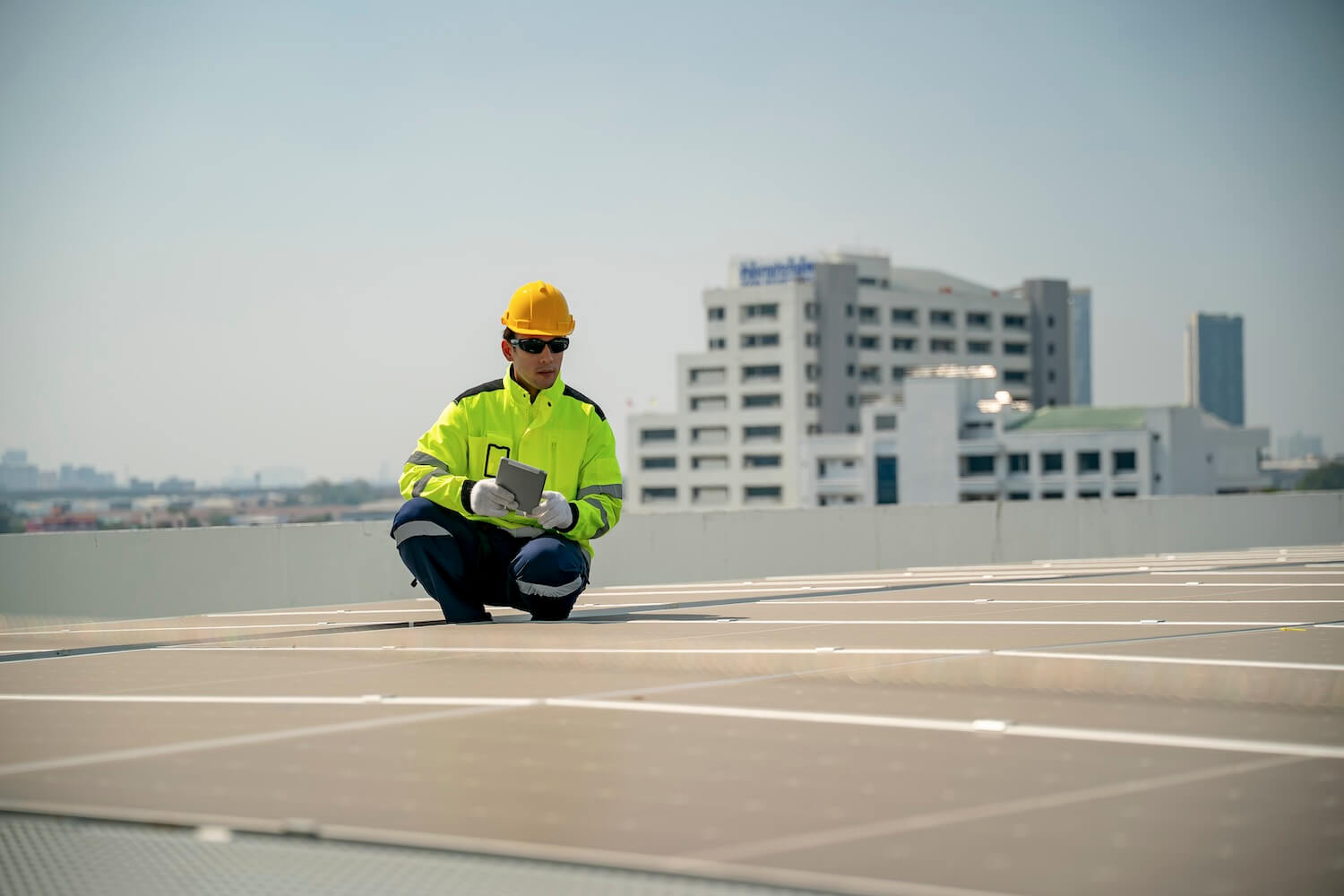
The Complex Architecture of Commercial Roofing
To understand why professional commercial roof inspections are so crucial, one must first recognize that a commercial roof is vastly different from a standard residential structure. While residential steep-slope roofs are built primarily for aesthetic appeal and basic water shedding, commercial roofs are engineered almost exclusively for long-term functional performance. Most commercial buildings feature flat or low-slope designs. This architecture is chosen because it allows properties to manage incredibly large surface areas efficiently and provides dedicated space for heavy rooftop equipment, such as HVAC systems, ventilation curbs, exhaust vents, and solar arrays.
However, these large flat expanses also mean that water cannot naturally shed as quickly as it would on a residential peak. Instead, commercial roofs rely on complex, engineered membranes to create a continuous watertight seal. Rather than asphalt shingles, these systems utilize specialized materials like Thermoplastic Polyolefin (TPO), Polyvinyl Chloride (PVC), Ethylene Propylene Diene Monomer (EPDM), or modified bitumen. These advanced materials are chosen because they are specifically formulated to withstand continuous weather exposure, heavy foot traffic from service technicians, and the thermal expansion and contraction caused by seasonal shifts. Despite their strength, the massive scale of these roof systems means that even a minor defect can quickly escalate into a widespread failure. The true danger is that commercial roof problems are rarely visible from the ground level or to an untrained eye. A membrane can appear perfectly intact from a distance while harboring severe moisture accumulation, rot, and material degradation directly beneath its surface layers.
The Silent Gathering of Under-the-Surface Leaks Threats
The progression of roof damage is rarely sudden or dramatic. Instead, small, almost imperceptible signs tend to accumulate quietly over time. A microscopic crack in a seam, a fastener that has slowly backed out of the substrate, or a tiny pocket of moisture trapped beneath a membrane layer are not issues that cause immediate alarm. Yet, these minor defects represent the beginning of a costly countdown.
When an inspector walks a commercial rooftop, they are looking for specific, physical changes that indicate structural compromise. On an older flat roof, they might notice a slight softness or an uneven, spongy texture underfoot. This tactile feedback is a classic warning sign that moisture has bypassed the primary membrane and is actively saturating the insulation boards underneath.
In addition to membrane issues, flat systems must navigate the strict physical laws of drainage. Standing water, known in the industry as ponding, is a primary catalyst for roof failure. If a drainage system, including internal drains, scuppers, gutters, and downspouts, becomes restricted by debris or suffers from improper slope design, water will begin to pool. This standing water places continuous physical stress and added weight on the building’s support structure while accelerating the chemical breakdown of the protective membrane. Over time, the constant moisture weakens the seams, leading to deep structural rot before a single drop of water ever penetrates the interior ceiling.
The Domino Effect of Unaddressed Commercial Leaks in Springfield
When a commercial roof finally fails, the resulting water intrusion is rarely a minor inconvenience. For a Springfield business, a sudden leak can trigger a cascade of operational and financial crises. Water entering a building does not remain localized; it travels along structural paths, saturating ceiling tiles, rotting drywall, and ruining interior wall insulation. If the moisture reaches electrical systems, computer networks, or sensitive manufacturing equipment, the consequences can be devastating.
Many commercial properties house valuable inventory, critical business records, and expensive machinery that are highly vulnerable to water damage. A single overnight leak over a warehouse storage bay or an IT server room can result in tens of thousands of dollars in ruined assets.
Furthermore, business interruptions are rarely part of a company’s strategic plan. When a roof leak compromises a workspace, operations must often grind to a halt. Employees may be unable to perform their duties safely, and entire sections of a retail floor, office space, or medical clinic may need to be cordoned off for safety and restoration. This leads to lost productivity, missed deadlines, and a direct hit to the company’s revenue. In severe cases, businesses are forced to close their doors entirely for days while emergency repairs and mold mitigation are performed.
Protecting the Human Elements: Roof Inspection Safety and Reputation
A commercial property owner has a legal and ethical obligation to maintain a safe environment for everyone who steps inside the facility. Unaddressed roof leaks directly compromise this safety. Water dripping onto polished retail floors or warehouse aisles creates immediate slip-and-fall hazards for employees, customers, and visitors. Additionally, persistent moisture intrusion inevitably leads to the growth of mold and mildew within wall cavities and ceiling assemblies. This biological growth releases airborne spores that degrade indoor air quality, potentially causing respiratory distress, allergic reactions, and long-term health concerns for occupants.
Beyond physical safety, the aesthetic condition of a building plays a vital role in maintaining customer confidence and public reputation. Water-stained ceiling tiles, peeling paint, musty odors, and visible buckets in public areas send a silent message of neglect to clients, tenants, and business partners. It suggests that the business is struggling or careless, which can quietly drive away customers. A well-maintained exterior and a clean, dry interior demonstrate professionalism, care, and attention to detail, reinforcing a positive brand image in the Springfield community.
The Economics of Proactive Business Care vs. Reactive Business Repair
Every financial officer understands the value of predictability in budgeting. Roofing expenses are no exception. When a property manager adopts a purely reactive approach to roof care, their maintenance costs shift from predictable, controlled line items to highly volatile, expensive emergencies.
The economics of proactive maintenance are clear. Regular inspections, ideally conducted twice a year in the spring and fall, allow business owners to identify and address minor concerns before they expand into major disasters. A small puncture in a TPO membrane can be patched quickly and affordably during a routine service visit. However, if that same puncture is ignored, it will allow water to saturate large sections of insulation, eventually requiring a costly tear-off, structural wood replacement, and membrane reroofing.
Consistent inspections also allow businesses to plan and budget for future capital improvements. By documenting the gradual aging of their roofing system over time, property managers can avoid the financial shock of an unexpected, unbudgeted full replacement. This long-term planning ensures that funds are available when the roof finally reaches the end of its natural service life, allowing for a smooth, scheduled transition. This level of expertise is precisely why property managers partner with licensed and bonded professionals like Deschutes Roofing to maintain their commercial systems.
Maximizing Lifespan with Restorative Solutions and Roof Inspections
Regular inspections do more than just prevent leaks; they actively extend the useful life of the existing roofing asset. Replacing a commercial roof is one of the most substantial capital expenditures a building owner will ever face. Therefore, pushing that replacement date back by five, ten, or even fifteen years through proper care yields a massive return on investment.
During a professional inspection, a certified specialist can determine if a roof is a viable candidate for advanced restorative measures. For example, high-performance commercial roof coatings represent an outstanding way to “reset” the clock on an aging flat roof without the high cost, logistical hassle, and landfill waste associated with a complete tear-off and replacement. These fluid-applied coatings form a seamless, rubberized barrier over the existing membrane, sealing all hairline cracks, weak seams, and flashing transitions.
Many of these modern coatings are formulated in bright white or highly reflective cool-roof colors. By reflecting a high percentage of solar radiation away from the building, these reflective surfaces can dramatically lower the roof’s surface temperature during Oregon’s hot summer months. This temperature reduction translates directly into lower energy cooling costs, less strain on rooftop HVAC equipment, and a more consistent, comfortable indoor environment for employees and clients.
The Inspection Process: What Happens on the Roof
A true commercial roof inspection is a highly systematic, technical process that goes far beyond a casual walk-around. A certified technician will systematically evaluate every critical component of the roof envelope.
The process begins with a comprehensive physical examination of the primary membrane. The inspector looks for signs of physical wear, such as cracking, splitting, blistering, or punctures caused by wind-blown debris or foot traffic. They pay close attention to the membrane seams, as these represent the most common areas for seal failure.
Next, the inspector evaluates all flashing installations. Flashing is the metal or membrane seal used to bridge the gap where the flat roof meets vertical surfaces, such as parapet walls, chimneys, skylights, and HVAC equipment curbs. Because these transitions are subject to intense physical movement due to building settling and thermal expansion, they are highly prone to cracking and separation.
The drainage system is also inspected thoroughly. The specialist checks that all drains are free of organic debris, that the strainers are intact, and that water is guided smoothly off the roof surface without pooling.
Finally, a professional inspection includes a detailed examination of the building’s interior ceilings and attic spaces. Technicians often use advanced diagnostic tools, such as infrared thermal imaging cameras, to detect temperature anomalies that indicate hidden moisture traps inside the roof assembly. This non-destructive testing allows inspectors to pinpoint leaks with surgical precision, ensuring that repairs are targeted and effective.
A certified crew, such as the flat roofing specialists at Deschutes Roofing, is trained to navigate these high-altitude work zones safely, adhering to all strict OSHA regulations, utilizing designated walkways to protect the delicate membrane, and delivering highly detailed written reports complete with supporting photographs to validate their findings.
Strategic Investments and Financial Flexibility Inspections
For many Springfield businesses, the immediate barrier to addressing necessary roof repairs or replacements is capital availability. To bridge this gap, modern commercial roofing partners offer flexible financial solutions to make structural protection highly accessible. Property managers can secure up to $100,000 in 100% financing with rapid, online credit decisions that often take under ten minutes. This financial flexibility allows companies to execute critical, safety-compliant repairs immediately, preventing a minor issue from snowballing into a catastrophic structural failure while preserving their daily operating capital.
Frequently Asked Questions
How often should a Springfield commercial business roof undergo a professional inspection?
It is strongly recommended to schedule a professional commercial roof inspection at least twice a year, specifically during the spring and fall seasons. Roofs that support a high volume of heavy HVAC machinery, experience frequent service foot traffic, or are located near dense tree canopies may benefit from quarterly evaluations to prevent debris blockages and premature wear.
What are the primary differences between a residential and a commercial roof inspection?
A residential inspection focuses heavily on steep-slope aesthetics, shingle alignment, and residential ventilation. A commercial inspection is highly technical, focusing on large flat expanses, membrane integrity (TPO, PVC, EPDM, modified bitumen), commercial drainage performance, flashing around heavy HVAC equipment curbs, and safety compliance.
What does a comprehensive written roof inspections report include?
A formal written report provides complete documentation of the roof’s current state. It includes a detailed narrative of the membrane condition, seams, flashing, and drainage performance, supported by high-resolution photographs of any identified anomalies, along with specific repair recommendations and lifespan estimations.
How can standing water damage a commercial flat roofing system?
Water that remains on a flat roof for more than 48 hours after rain has stopped is considered ponding water. This standing water places additional weight on the roof deck, accelerates the chemical degradation of membrane materials, and eventually seeps through microscopic seam cracks, rotting the underlying insulation and wood structure.
Can an older flat roof be restored without undergoing a full tear-off and replacement?
Yes, if the underlying structure and insulation are dry and structurally sound, commercial roof coatings can be applied directly to the existing membrane. This fluid-applied solution seals seams, reinforces penetrations, extends the roof’s life, and improves energy efficiency without the cost and disruption of a full replacement.
What specific safety protocols should commercial business roofing teams follow during an inspection?
A professional commercial roofing crew must strictly adhere to all federal OSHA safety guidelines. This includes using personal fall arrest systems, establishing designated walkways to minimize membrane damage, protecting building occupants from falling hazards, and carrying full licensing, bonding, and liability insurance.
Springfield Roof Inspections Conclusion
In the competitive business environment of Springfield, Oregon, operational stability is key to long-term success. Protecting your enterprise from the elements requires looking beyond daily checklists and recognizing the vital role your physical facility plays in your overall productivity. Waiting for a wet ceiling tile or a ruined inventory shipment to signal a roof failure is a costly, reactive approach that compromises safety, finances, and customer trust.
By choosing a premier Oregon contractor like Deschutes Roofing, local enterprises can secure high-performance commercial solutions tailored to the unique climate of the Willamette Valley.
With factory-certified flat roofing specialists, robust warranties, and a commitment to meticulous craftsmanship, they ensure your building remains a safe, dry, and highly efficient sanctuary. Do not wait for the next heavy storm to expose a hidden vulnerability on your property; take control of your commercial assets, invest in proactive care, and protect your business before the leak begins.