 Skip to content

For centuries, tile roofing has been a symbol of architectural elegance, visual depth, and permanent structural strength. In the modern residential landscape, cement or concrete tiles have undergone a dramatic evolution, offering homeowners an array of colors and styles that beautifully mimic high-end materials like natural slate or rustic wood shakes. Beyond their visual appeal, cement tiles are celebrated for their outstanding performance: they provide highly effective insulation against both external weather extremes and noise, boast exceptional resistance to fire, hail, and high winds, and are completely recyclable at the end of their long operational lives.
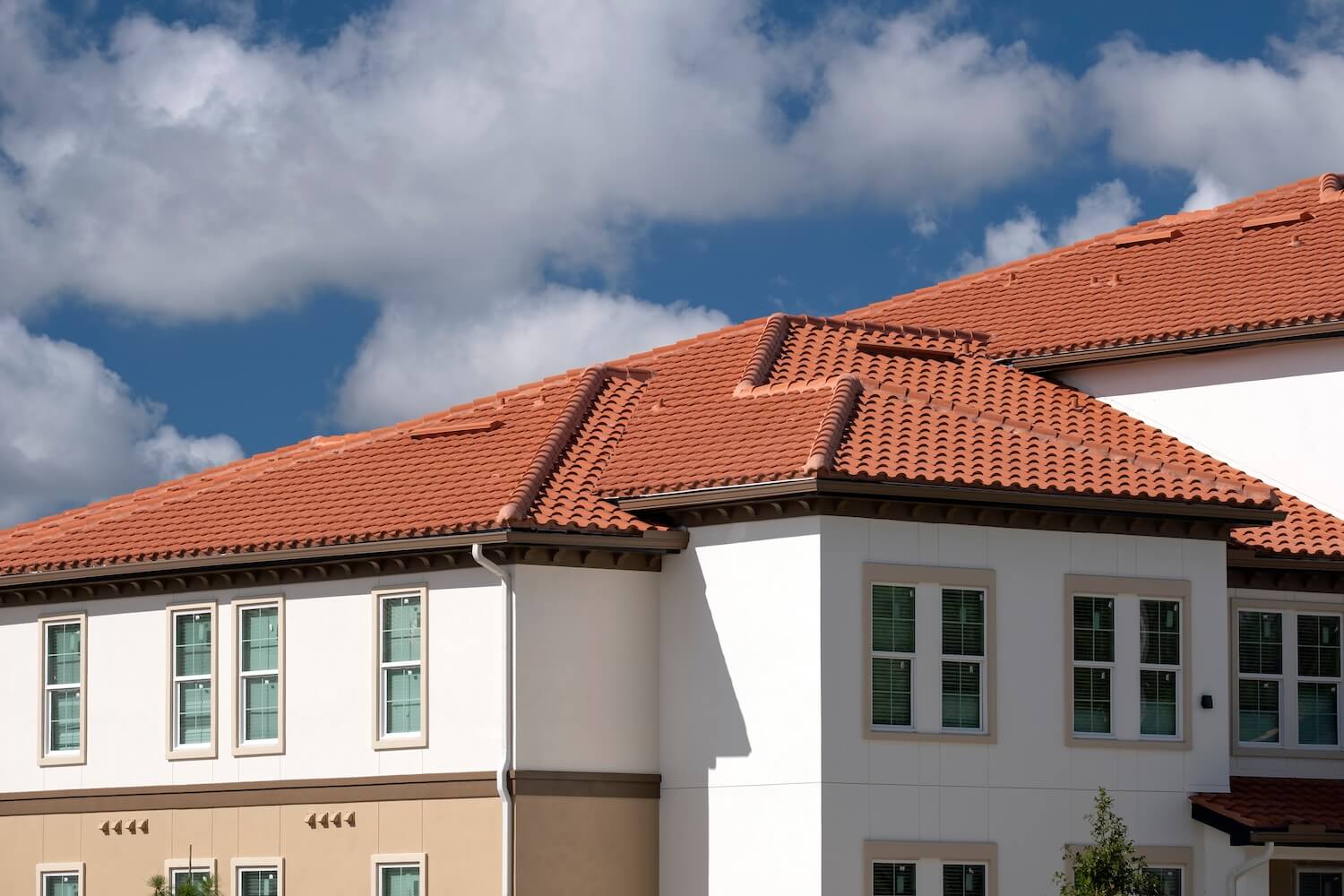
Because of these robust characteristics, many homeowners adopt a passive, “set it and forget it” attitude toward their tile roofs. There is a common assumption that because a concrete tile is incredibly heavy, rigid, and durable, it requires virtually no upkeep. However, cement tile roofs are not completely maintenance-free. While the concrete outer shells are engineered to withstand decades of environmental abuse, they are part of a complex, layered system that relies on active maintenance to survive. For those wondering how often inspections are really needed, the answer lies in understanding the delicate relationship between the protective concrete “armor” and the vulnerable waterproofing elements hidden beneath it.
The Multi-Layered Roofing Defense: Armor vs. Underlayment
To understand why regular roof inspections are necessary, one must understand how a tile roof is engineered to repel water. Many homeowners believe that the cement tiles themselves are the primary waterproofing barrier. In reality, the true waterproofing layer of your roof is the synthetic underlayment or membrane installed directly onto the wooden roof deck. The concrete tiles act as the protective armor, shielding this sensitive underlayment from physical impacts, direct rainfall, and the destructive ultraviolet (UV) rays of the sun.
When a tile roof is brand new, this dual-system defense works flawlessly. However, concrete tiles are both heavy and inherently brittle, meaning they require specialized care and are vulnerable to physical cracking from fallen tree limbs, walking technicians, or severe hailstorms. When a single concrete tile cracks or shifts out of alignment, the underlying underlayment is suddenly exposed to UV light and direct water contact.
Over time, this exposure causes the underlayment to dry out, rot, and crack. Once the underlayment is breached, water gains direct access to your home’s wooden decking, rafters, and interior drywall, leading to major structural damage long before a visible leak appears on your ceiling. Regular inspections are designed to spot these minor gaps in the armor before the secondary line of defense fails.
The Golden Standard: The Roof Inspection Timeline
How often should a cement tile roof be evaluated? Roofing professionals across the industry agree on a standard maintenance timeline designed to maximize the lifespan of a concrete roof, potentially extending its service life to 75 years.
1. The Biennial Professional Roof Inspection (Every 2 Years)
Homeowners should have their cement tile roofs professionally inspected by a certified specialist at least once every two years. A professional inspection is a systematic, hands-on review of the entire roofing envelope. Licensed inspectors have the specialized training and safety equipment needed to navigate pitched tile roofs without causing accidental breakage. They will closely examine the integrity of every tile, evaluate the condition of all metal flashings, and inspect the attic, rafters, and ventilation systems for signs of hidden moisture intrusion.
2. The Post-Storm Roof Assessment
In addition to the standard two-year schedule, a professional roof inspection should be requested immediately following any extreme weather event, such as a major windstorm, microburst, or hailstorm. High winds can lift tiles, breaking the specialized adhesive or mortar seals that hold them in place, while hail can cause micro-cracks that are invisible from the ground but compromise the structural stability of the tile.
3. Quarterly Visual Ground Checks
Between professional visits, homeowners should perform a quick visual inspection from the ground at least once every quarter. This “ladder-free” check can be done easily using binoculars or a high-zoom phone camera from various corners of your property. You should scan the roofline for any obviously missing, cracked, or misaligned tiles, or check the gutters for concrete fragments.
The Common Catalysts of Tile Roof Failure
Most tile roof leaks are not actually caused by a failure of the concrete material itself. Instead, water intrusion almost always originates from one of several critical transition zones or secondary components that fail due to neglected maintenance.
Clogged Roof Valleys
Where two sloping sections of a roof meet, they form a metal channel known as a valley. This channel is designed to collect rainwater and guide it rapidly off the roof and into the gutters. However, because cement tiles are raised, leaves, pine needles, and small twigs easily accumulate in these valleys. When debris is allowed to build up, it creates a physical dam. During a heavy rainstorm, water backed up behind this debris is forced sideways, wicking underneath the adjacent tiles and overwhelming the underlayment.
Failed Metal Roof Flashing
Flashing is the specialized metal strip installed around roof penetrations, such as chimneys, skylights, plumbing vents, and attic exhaust systems. It is sealed with durable compounds to prevent water from slipping through the joint where the vertical structure meets the tile field. Over years of thermal cycling, expanding in the hot summer sun and contracting in the freezing winter cold, flashing can rust, pull loose, or lose its adhesive seal. Once compromised, flashing becomes a direct conduit for rainwater to enter your attic.
Gutter Backups and Eave Rot
Gutters must be cleared of debris at least twice a year to ensure water flows freely away from the home. If gutters are left clogged, rainwater will back up over the eave line. This stagnant water wicks backward into the wooden fascia boards and the underlying roof structure, causing severe wood rot and compromising the structural support of the entire roof edge.
Organic Growth and Roof Moss
In damp, shaded climates, algae and moss thrive on concrete surfaces. While algae streaks are purely cosmetic, thick moss is a serious physical hazard. Moss roots can find purchase in the dusty debris that naturally accumulates between overlapping tile joints. As the moss grows, it acts as a sponge, trapping moisture against the concrete tile laps and accelerating the physical breakdown of the materials. Trimming overhanging tree limbs back by at least 10 feet is a simple, proactive way to reduce the shade and leaf drop that feed this organic growth.
Safe Cleaning Techniques: Protecting the Slurry Coat
Over decades of exposure, a cement tile roof can begin to look weathered, collecting dark streaks, dirt, and moss. While cleaning the roof is essential for maintaining curb appeal and preventing drainage issues, the method used is critical.
There is a major debate in the roofing industry regarding the safety of pressure washing concrete tiles. High-pressure water can be incredibly destructive to cement. Most concrete tiles feature a specialized color coating, often referred to as a “slurry” coat. If a technician uses high-pressure water (anything exceeding 1200 PSI) or holds the nozzle too close to the surface, they can strip this colored slurry coat right off the tile. This leaves the roof looking blotchy and uneven, exposing the raw, porous gray concrete beneath to accelerated weathering and moisture absorption.
To preserve the roof, professional crews utilize a process known as “soft washing”. Soft washing relies on low-pressure water, similar to the pressure of a standard garden hose, paired with a biodegradable cleaning solution, typically containing a 10% chlorine mix, to deep-kill algae and mold spores. When rinsing the roof, crews must always work from the top ridge down toward the gutters. Rinsing from the bottom up can force water underneath the tile laps, saturating the underlayment and potentially causing immediate interior leaks.
Advanced Protection: Sealing and Recoating
Because concrete is naturally porous, older cement tiles can begin to absorb moisture as their original factory finish gradually erodes over a 20-to-30-year period. When concrete absorbs water, it becomes heavier, placing extra stress on your home’s structural framing. Furthermore, in colder winter climates, this absorbed moisture can freeze and expand inside the concrete pores, causing the surface to flake or crack over time.
To prevent this degradation, homeowners can choose to have a high-quality acrylic sealer applied to their tile roof every 3 to 7 years. Applying an acrylic sealer fills the microscopic pores in the concrete, which:
- Significantly reduces water absorption, protecting the roof from freeze-thaw damage.
- Creates a smooth surface that prevents moss, mold, and algae from rooting into the tile.
- Restores the vibrant color, luster, and overall curb appeal of the property.
If the tiles have lost their color entirely, they can be recoated using a specialized roof painting system. This process involves applying a clear alkyd primer followed by a thick, flexible membrane of 100% acrylic roof paint. This protective coating shields the concrete from UV damage and completely refreshes the home’s aesthetic.
Understanding Efflorescence: The Harmless White Powder
Occasionally, homeowners notice a white, chalky residue appearing on the surface of their concrete tiles. This phenomenon is known as efflorescence. It is a completely natural chemical reaction that occurs when calcium hydroxide inside the cement rises to the surface and reacts with carbon dioxide in the air.
While efflorescence can look concerning, it is purely cosmetic and does not affect the structural strength, water resistance, or durability of the tile. In most cases, you do not need to clean or scrub this residue; it will naturally weather away on its own over time through normal rainfall.
Why DIY Inspections Can Be Costly and Dangerous
While checking your roof from the ground with binoculars is an excellent habit, climbing onto a cement tile roof to perform a DIY inspection is highly discouraged.
Concrete tiles are heavy, brittle, and often slick. Walking on them incorrectly can easily crack or shatter the tiles, creating new leaks where none existed before. Experienced professionals use specialized footwear, ladders, and harnesses, and they know exactly where to place their feet, typically on the overlapping lower nose of the tiles directly over the supporting battens, to distribute their weight safely.
Furthermore, a professional inspection goes far beyond the outer surface of the tiles. Companies like Deschutes Roofing take a comprehensive, system-wide approach to every evaluation, starting by inspecting the roof from both the inside and the outside. Their factory-certified specialists utilize advanced diagnostic technology, such as infrared cameras, to trace hidden moisture paths and pinpoint the exact source of an active leak with absolute precision. Additionally, because attic health is directly tied to the lifespan of your roof, their team will thoroughly evaluate your attic insulation and ventilation systems during the inspection to ensure that trapped summer heat or winter condensation won’t damage your shingles or tiles from below.
If you are considering a full roof replacement or require significant repairs, Deschutes Roofing, a trusted family- and veteran-owned contractor licensed across Oregon, provides transparent, detailed written reports and will even work directly with your insurance company to ensure you receive a fair and comprehensive settlement. They also offer accessible financing options up to $100,000, allowing you to invest in the security and beauty of your home without financial stress.
Frequently Asked Questions
How often does a cement tile roof really need to be professionally inspected?
You should have your tile roof professionally inspected every 2 years. It is also highly recommended to schedule a professional evaluation immediately following major wind, hail, or storm events to catch hidden damage before it leads to interior leaks.
What is the difference between concrete roof tiles and the underlayment?
The concrete tiles serve as the outer “armor,” protecting the roof structure from UV rays and physical damage. The underlayment, installed directly onto the wood deck beneath the tiles, is the actual watertight membrane that keeps water from entering your home.
Why shouldn’t I walk on my tile roof to inspect it myself every year?
Concrete tiles are heavy and brittle; walking on them improperly can easily crack the tiles and ruin your roof’s underlayment. Professional roofers are trained in proper weight distribution, use specialized safety gear, and know how to navigate the surface without causing physical damage.
Will a pressure washer damage my cement tiles?
Yes, high-pressure washing can strip the protective colored “slurry” coat off concrete tiles, leaving them blotchy and highly porous. Instead, professional crews utilize low-pressure “soft washing” paired with a biodegradable cleaner to safely remove moss, mold, and algae.
What is the white powder on my concrete tiles, and is it harmful?
This white, chalky residue is called efflorescence, a natural chemical reaction of the cement. It is purely cosmetic, does not harm the structural integrity of the roof, and will naturally wash away with rain over time.
How long can a cement tile roof be expected to last?
When installed properly and maintained with biennial inspections, a high-quality cement tile roof can easily protect your home for 50 to 75 years.
Can appraisers or insurance companies offer benefits for having a tile roof?
Yes. Because concrete tiles are highly resistant to fire, wind, and hail, many homeowners insurance providers offer premium discounts for tile roofs. Additionally, tile roofs typically command a higher appraisal value when selling a home compared to other traditional roofing materials.
Conclusion
A cement tile roof represents an exceptional investment in your home’s structural defense, energy efficiency, and curb appeal. However, its extraordinary 75-year potential can only be unlocked through consistent, proactive care. By committing to a biennial professional inspection, keeping your valleys and gutters clear of debris, and replacing damaged tiles immediately, you protect both your structural investment and the comfort of your family.
When you partner with a certified, locally trusted team like Deschutes Roofing, you gain the peace of mind that comes from meticulous, veteran-led craftsmanship and extensive local expertise. Don’t wait for a ceiling stain to reveal a hidden vulnerability; take control of your home’s primary shield today. Schedule your professional tile roof inspection and keep your sanctuary safe for the decades to come.