 Skip to content

Oregon is famous for its breathtaking seasonal transitions. Homeowners across the state enjoy the long, warm days of summer, whether they are taking in the clear high-desert skies of Bend, exploring the lush greenery of the Willamette Valley, or experiencing the coastal breezes of Newport. During these sunny months, our thoughts naturally drift toward outdoor adventures, garden beds, and weekend gatherings.
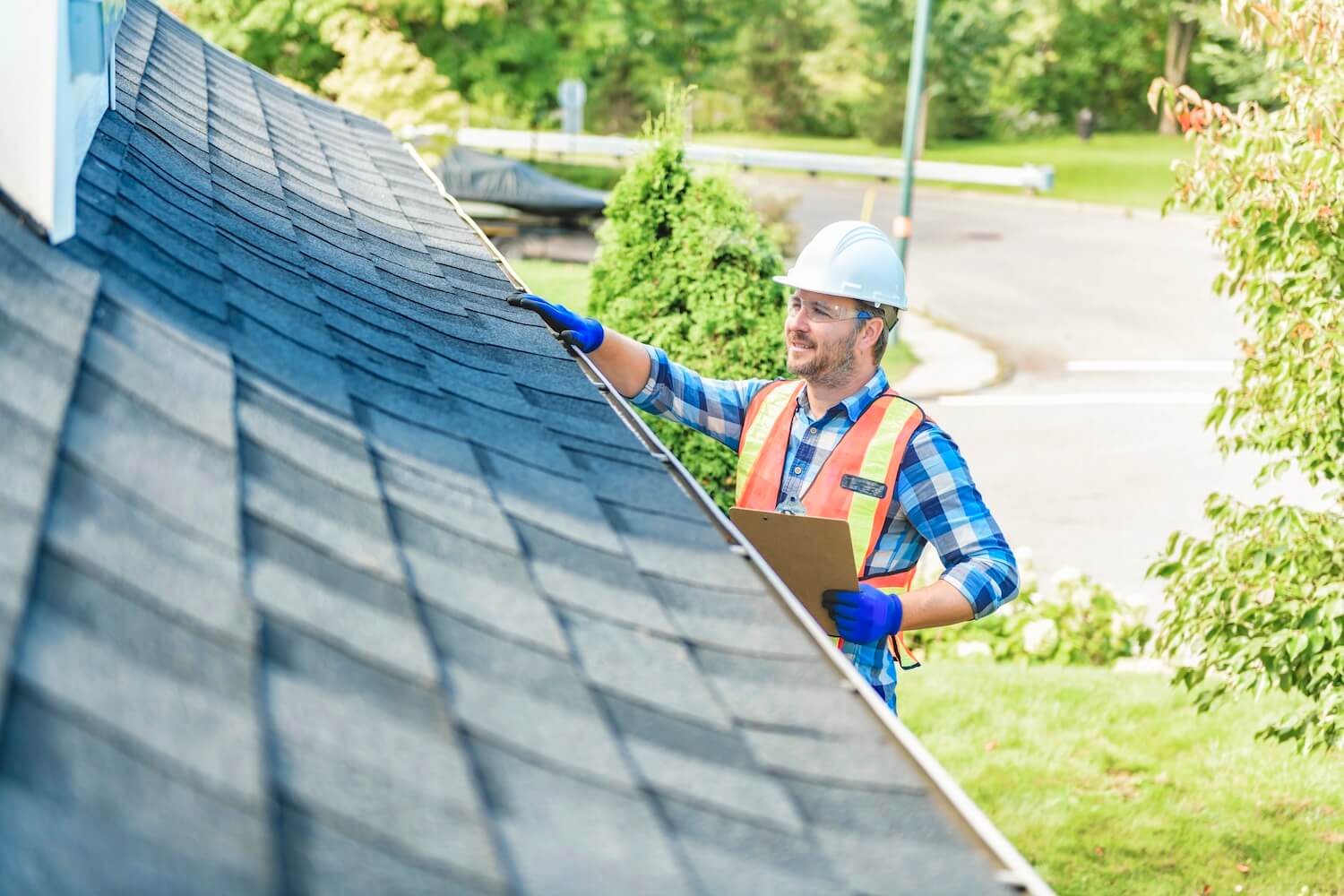
However, as the summer warmth begins to fade and the first crisp breezes of autumn arrive, the focus of responsible property maintenance must pivot toward preparing for the colder, wetter months ahead. While it is common to schedule furnace tune-ups, clean out garden beds, and prepare gutters for falling leaves, there is one critical component of your home’s defense that is frequently overlooked until a crisis strikes: your roof.
Serving as your property’s primary shield, the roof stands between your family and the elements. Yet, because we cannot easily see its surface from our daily pathways, we tend to adopt a “set it and forget it” mindset. We assume that because our ceiling remains dry, the roof is in perfect health.
The reality is that Oregon’s dry, hot summer weather can put a roof to the test, quietly inflicting cumulative damage that remains completely invisible from the ground. By understanding the unique mechanics of summer heat damage, learning how to identify the early warning signs of material fatigue, and taking a proactive approach to roof inspections and maintenance, you can protect your home’s structural integrity and avoid expensive winter emergencies.
The Chemistry of Sun Damage: How Summer Heat Attacks Materials
To understand why summer weather is so hard on rooftops, it is helpful to look at the physics of solar radiation and thermal stress. When we experience a summer heatwave, we stay inside to escape the blistering sun, relying on our air conditioning systems to keep our living spaces comfortable.
Our roofs, however, have no escape. Because a roof is positioned at a direct angle to the sun and is constructed of dark, light-absorbing materials, its surface temperature can rise significantly higher than the surrounding air. On a hot afternoon, the surface of a dark asphalt shingle roof can easily spike to between 150°F and 170°F.
This intense heat triggers several destructive physical and chemical processes:
1. Photo-Oxidation and UV Degradation
Asphalt shingles, the most popular residential roofing option in Oregon, rely on heavy, petroleum-based oils to maintain their flexibility, water-shedding capabilities, and structural strength. Relentless ultraviolet (UV) radiation breaks down these essential oils through a chemical process known as photo-oxidation.
Over decades of sun exposure, this chemical breakdown causes the shingles to lose their natural flexibility, slowly fading their vibrant color and turning the material brittle, dry, and highly prone to cracking.
2. Thermal Expansion and Contraction
During the peak of summer, a roof undergoes extreme temperature swings every 24 hours. During the day, the roof surface bakes under the sun, expanding as it reaches peak temperatures.
When the sun sets and the cool night air moves in, the materials rapidly contract. This continuous cycle of expansion and contraction, known as thermal cycling, places immense physical stress on every component of the roofing system.
Over time, this movement weakens the bond of sealants, pulls fasteners loose from the underlying wood deck, and causes flashing to warp or separate from its seams.
Thermal Shock
A particularly severe form of thermal stress occurs when a sudden summer afternoon thunderstorm hits a hot roof. The rapid drop in temperature from 150°F to 70°F within minutes causes the roofing materials to contract violently.
This thermal shock can split weakened shingles, tear adhesive seal strips apart, and create micro-fractures in flashing joints that remain invisible to the naked eye but serve as direct pathways for future water leaks.
What to Look For: A Homeowner’s Guide to Summer Roof Damage
Because early summer roof damage is often subtle, homeowners must know exactly what physical changes indicate that their protective barrier has been compromised.
While climbing onto a pitched roof is highly dangerous and can cause accidental damage to brittle shingles, you can perform a thorough visual check safely from the ground using binoculars or a high-zoom smartphone camera.
As you evaluate your roof, focus on these five critical danger zones:
1. Curling, Cupping, and Cracking Shingles
As shingles lose their moisture and essential oils to heat and UV exposure, they begin to warp and shrink. You may notice shingles that are “cupping” (the edges curling upward) or “clawing” (the center section buckling outward).
These warped shingles no longer lie flat against the roof deck, leaving the vulnerable underlayment exposed to water and wind. Brittle, cracked shingles are highly susceptible to being lifted or torn off entirely by strong winds.
2. Excessive Granule Loss in Gutters
The tiny mineral granules on the surface of asphalt shingles serve a vital purpose: they act as a sacrificial shield, protecting the underlying asphalt from direct UV damage. As shingles age and degrade due to heat stress, they shed these granules.
While it is difficult to spot granule loss by looking at the roof from the ground, you can easily check your gutters. Finding a heavy layer of sand-like sediment in your gutter troughs is a clear warning sign that your shingles are losing their protective coating and structural integrity.
3. Dried-Out Sealants and Loose Flashing
Flashing is the critical metal barrier installed around roof transitions, such as chimneys, skylights, dormers, and vent pipes, to redirect water away from joints.
Summer heat can bake the flexible caulking and silicone sealants used to secure these transitions, causing them to dry out, crack, crumble, and lose their adhesion. Once these sealants fail, the flashing can warp or pull away, creating gap zones where water can effortlessly seep into your home during the first heavy rain.
4. Attic Ventilation Blockages and Moisture Trapping
Your attic’s insulation and ventilation systems play a massive role in how your roof handles summer heat. If your attic lacks adequate ventilation, extreme heat becomes trapped inside the space, baking your shingles from the inside out and pushing attic temperatures well past 150°F.
This trapped heat can cause shingle blistering, small bubbles that form when moisture inside the shingle heats up and expands, bursting the protective granule layer.
Furthermore, poor airflow can cause condensation to accumulate in the attic during cool summer nights, leading to hidden wood rot, mold growth, and structural weakening of the roof trusses.
5. Structural Sagging and Shifting
Extreme dry conditions combined with severe thermal stress can cause subtle structural shifts within a building’s framing. If you notice any visible unevenness, dipped sections, or sagging areas along your roof’s ridge line or surface planes, it is a major warning sign that the underlying decking or support rafters have suffered water damage or structural weakness.
Sagging is an emergency indicator that requires immediate professional evaluation to prevent further structural deterioration.
Why Early Detection Matters: The Financial Reality of Proactive Care
When it comes to maintaining your home’s exterior, there is a clear financial pattern: early detection and minor repairs are highly cost-effective, while delayed action is incredibly expensive.
A cracked shingle, a loose piece of flashing, or a dried-out bead of sealant around a chimney are minor issues that can often be repaired quickly and affordably during a planned maintenance visit.
However, if these small summer defects are ignored, they will quickly be exploited by Oregon’s relentless autumn rains and freezing winter temperatures.
When rain pours over a compromised shingle or behind loose flashing, water gains direct access to your home’s wooden roof deck. Once moisture penetrates the decking, it rapidly spreads, rotting the structural wood, saturating attic insulation, ruining ceiling drywall, and creating a breeding ground for hazardous mold and mildew.
By the time you notice a yellow water stain expanding across your living room ceiling, a problem that would have cost a few hundred dollars to fix in September has ballooned into thousands of dollars in structural restoration, drywall replacement, mold remediation, and emergency repairs.
Furthermore, winter weather brings the threat of freeze-thaw cycles and ice dams When snow or rain enters compromised areas of your roof and freezes overnight, the expanding ice physically tears shingles apart, widens cracks, and pulls fasteners loose.
Proactive fall inspections allow you to identify and resolve these vulnerabilities while weather conditions are still mild and safe for installation crews, ensuring your home remains completely watertight before winter storms arrive.
Partnering with a Certified Leader: The Deschutes Roofing Difference
Navigating roof maintenance, insurance claims, and replacements can feel overwhelming for many homeowners. To ensure your home is fully protected, partnering with a certified, locally trusted expert is essential.
For Oregon residents, Deschutes Roofing stands as a premier family- and veteran-owned contractor dedicated to delivering exceptional craftsmanship, honest communication, and results that last.
Operating from five offices across the state, their highly trained, factory-certified teams evaluate your entire roofing system inside and out, including essential structural decking, attic insulation, and balanced ventilation, to ensure maximum durability.
To find hidden issues that are invisible to the untrained eye, Deschutes Roofing utilizes advanced infrared diagnostic cameras to locate trapped moisture and trace leaks back to their exact source with absolute precision.
They hold elite manufacturer credentials, including GAF Master Elite® status, which is held by less than 2% of roofing contractors nationwide. This allows them to offer the strongest warranties in the industry, including GAF’s Golden Pledge® Roof System, which provides up to a 25-to-30-year labor warranty and a 50-year non-prorated material warranty to secure your investment for decades.
Whether your roof requires a targeted leak repair or a full replacement, Deschutes Roofing makes the process completely seamless and stress-free. They can complete most standard residential replacements in just a single day to minimize disruption to your life.
They also offer their exclusive “New Roof No Mess®” guarantee, utilizing a specialized mobile debris system (the Equipter RB4000) that catches old materials at the roofline, keeping your pristine rose bushes, lawns, and gardens completely safe and spotless.
For those looking to manage costs, they offer 100% financing options up to \$100,000 with quick, online approvals in under ten minutes, alongside a \$500 community discount for veterans, active military, first responders, educators, and seniors.
Frequently Asked Questions
Can a hot summer really cause physical damage to my roof shingles?
Yes. Extreme summer heat can raise your roof’s surface temperature to 170°F, softening the asphalt and drying out the petroleum oils that give shingles their flexibility. This process, called photo-oxidation, makes shingles brittle, dry, and highly prone to warping, cracking, and curling.
How does thermal expansion affect my roof’s flashing and sealants?
Because different materials expand and contract at different rates during daily temperature swings, thermal cycling places constant physical stress on flashing joints and caulking. This continuous movement causes sealants to dry out and separate, creating gaps around chimneys, skylights, and vents where water can easily seep in.
What is shingle granule loss, and how do I spot it safely?
Granules are the mineral coatings that shield shingles from destructive UV rays. When shingles degrade due to heat, they shed these granules. To check for this safely without climbing a ladder, inspect your gutters; finding a heavy layer of sand-like sediment in your gutter troughs is a clear sign of advanced shingle wear.
Will a poorly ventilated attic make summer roof damage worse?
Absolutely. If your attic lacks adequate ventilation, it will trap extreme summer heat, baking your shingles from beneath and raising attic temperatures past 150°F. This trapped heat can cause shingles to blister, ruin your attic insulation, and increase moisture condensation that rots the wooden deck.
How can I safely inspect my roof for summer damage?
You should never climb onto a hot or potentially damaged roof yourself, as this can crack brittle shingles and pose a severe safety hazard. Instead, perform a “ladder-free” visual check from various corners of your yard using binoculars or a high-zoom phone camera, looking for warped shingles, loose flashing, or pulling gutters.
Can a minor roof leak be repaired, or will I need a full replacement?
If your roof is relatively young and the damage is localized to a specific area, such as a cracked vent boot or a loose shingle, a professional repair can easily resolve the issue. However, if your roof is nearing its 20-year lifespan and shows widespread shingle cupping, cracking, and granule loss, a full replacement is usually the most cost-effective long-term solution.
Does homeowner’s insurance cover roof damage caused by summer heat?
Homeowner’s insurance typically covers sudden and accidental damage, such as storm, wind, or hail impacts. Damage that accumulates gradually due to normal wear and tear, solar exposure, or deferred maintenance is generally excluded from coverage, which is why regular inspections are so important.
Conclusion: Secure Your Shield Before the Rains Return
Oregon’s beautiful, sun-drenched summers are hard-earned and deeply enjoyed, but we must not allow our appreciation of the warm weather to blind us to the physical strain it places on our homes.
Rooftops are our primary line of defense against the elements, and waiting for an active water leak to reveal a hidden problem is a costly strategy that invites structural rot, mold hazards, and high energy bills into our sanctuaries.
By taking a proactive, evidence-based approach to maintenance, scheduling a professional inspection, and resolving minor summer damage before the rainy season arrives, you can protect your property’s value and secure long-term peace of mind.
Don’t wait for the first autumn storm to expose a hidden vulnerability in your home. Contact Deschutes Roofing today to schedule your professional on-site evaluation and ensure your home remains a dry, safe, and beautiful sanctuary for the decades to come.