 Skip to content

Imagine receiving an offer on your home after weeks of preparation. The offer is competitive, the buyers are enthusiastic, and you sign the purchase agreement with a profound sense of accomplishment. You begin packing boxes, arranging moving trucks, and planning the next chapter of your life. The closing date is marked on your calendar, a mere thirty days away.
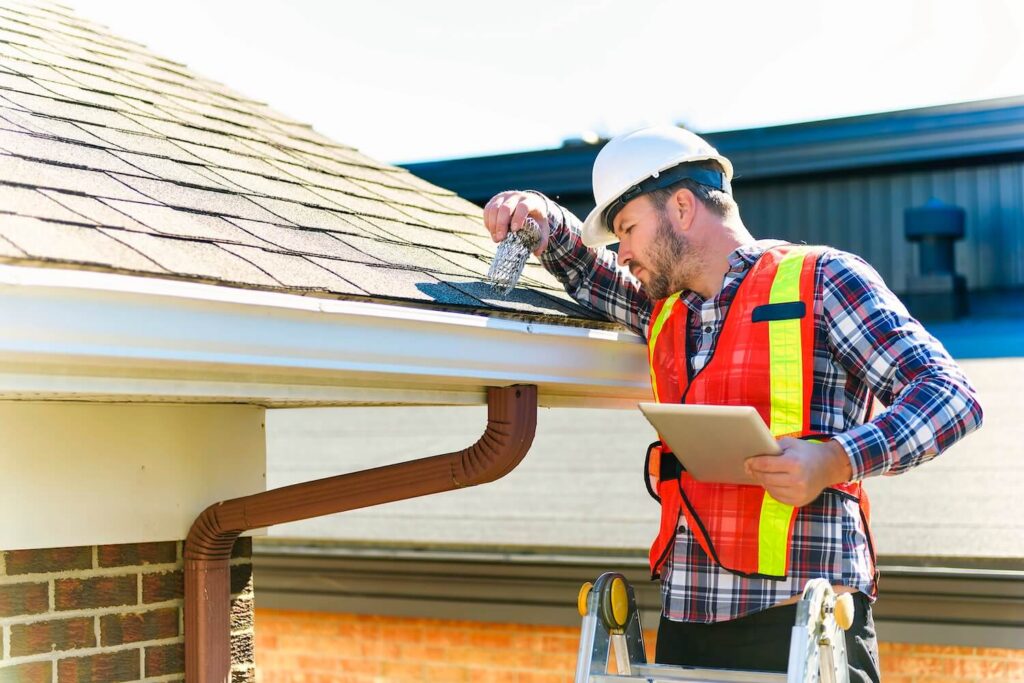
Then, two weeks into the escrow process, the momentum suddenly grinds to a halt. The buyer’s general home inspector spent an hour walking the property and flagged an aging roof with lifting shingles, worn chimney flashing, and localized granule loss. Suddenly, the buyers are panicking. Stretched thin by down payments, closing costs, and high interest rates, they refuse to move forward unless you either replace the entire roof at your expense or grant a massive credit at closing. When you struggle to find a contractor who can complete a full replacement within the ten-day inspection window, the buyers exercise their contingency clause, cancel the contract, and walk away.
This scenario is far more common than most sellers realize. Inspection-related issues are the single leading cause of delayed and canceled real estate transactions. In an environment where buyers are increasingly cautious, an unexpected finding on a roof inspection can instantly derail a deal that seemed completely secure. However, forward-thinking sellers are discovering a powerful strategy to protect their equity, preserve their timeline, and maintain complete control over the sales process: the pre-listing roof inspection. By evaluating and documenting the health of your roof before your home ever hits the market, you eliminate hidden surprises, build unshakeable buyer trust, and safeguard your closing date.
The Anatomy of a Closing Delay: Why Roofs Inspection Trigger Contract Collapse
To understand why a pre-listing roof inspection is such a vital tool for sellers, one must look at the psychological and financial dynamics of a real estate transaction. When a home goes under contract, both parties enter a delicate window known as the inspection contingency period. During this time, the buyer hires a general home inspector to evaluate the property’s physical condition from foundation to ridge line.
While minor cosmetic defects like a loose cabinet handle or a squeaky door are easily brushed aside, major structural systems trigger immediate alarm. Among these systems, the roof is uniquely vulnerable. It is the primary shield defending the entire home against rain, wind, ice, and snow. When a general inspector identifies signs of wear, such as cracked shingles, moss growth, or deteriorating sealant around vent pipes, buyers rarely view these as routine maintenance items. Instead, they envision worst-case scenarios: hidden ceiling leaks, structural wood deck rot, attic mold, and five-figure repair bills arriving shortly after move-in.
This fear creates an immediate crisis in the transaction. Buyers who feel blindsided by a negative report often react defensively. They may demand immediate, expensive roof repairs carried out under tight deadlines, insist on steep price concessions, or demand that money be placed in escrow at closing. If the seller cannot accommodate these demands within the strict time limits set by the contract, the deal unravels.
When a contract falls through due to inspection issues, the consequences for the seller are severe. The home must be placed back on the active market, carrying a subtle stigma that causes subsequent buyers to wonder what fatal flaw caused the first deal to collapse. As the property sits on the market for additional weeks or months, the seller’s holding costs multiply, and they are frequently forced to accept a significantly lower purchase price just to finalize a sale.
The Hidden Roofing Gap: General Inspectors vs. Roofing Specialists
A primary reason roof issues catch sellers off guard during escrow is the difference between a general home inspection and a specialized roof evaluation. A standard home inspector performs a broad, high-level review of a building’s visible components. In a single visit, they must check electrical panels, plumbing fixtures, HVAC equipment, appliances, foundation walls, and structural framing.
Because general inspectors cover so much ground in a limited window, their review of the roof is often superficial. In many cases, insurance restrictions or steep roof pitches prevent general inspectors from walking the surface entirely; they may only observe the roof from a ladder at the eave line or through binoculars from the driveway. As a result, their reports tend to be overly cautious, using broad language that advises the buyer to hire a specialist for further evaluation. This vague wording creates unnecessary panic for the buyer without providing actionable context about the actual remaining service life of the roof.
A specialized roof inspection, by contrast, is a meticulous, top-to-bottom technical assessment conducted by a trained roofing contractor.
A specialized evaluation examines every component of the roofing envelope, including:
- The Outer Surface Layer: Evaluating shingle flexibility, granule retention, seam integrity, and wind uplift resistance across all slopes.
- Transition and Flashing Seals: Inspecting metal flashing around chimneys, skylights, dormers, and sidewalls, where water intrusion most frequently originates.
- Drainage and Perimeter Protection: Checking that gutters, downspouts, valleys, and drip edges are correctly pitched and shedding water efficiently away from the fascia boards.
- Attic Environment and Moisture Paths: Stepping inside the attic space to inspect the structural deck for water staining, checking that rafter baffles are clear, and verifying that intake and exhaust ventilation are balanced.
By identifying precise conditions rather than relying on broad generalizations, a specialized inspection provides a clear, objective picture of the roof’s health long before a buyer’s inspector ever steps foot on the property.
Flipping the Dynamic: How Pre-Listing Roof Inspections Put Sellers in Control
The core advantage of a pre-listing roof inspection lies in a fundamental shift of leverage. In a traditional transaction, the buyer discovers the roof’s defects during escrow, putting the seller on the defensive under severe time pressure. A pre-listing inspection completely reverses this dynamic, giving the seller total control over the narrative, the timeline, and the repair budget.
1. Controlling the Repair Strategy and Costs
When a roof issue is uncovered during a buyer’s inspection, the seller is forced to negotiate under a ticking clock. Contractors are rushed to provide estimates, and sellers often pay premium emergency rates or agree to inflated financial credits just to keep the deal alive.
When you uncover those same issues weeks before listing your home, you have the luxury of time. You can gather multiple detailed bids, compare material options, and hire a trusted local contractor on your terms. If the roof requires localized repairs, such as replacing damaged pipe boots or resealing valley flashings, you can complete the work affordably before the home hits the market. If a full roof replacement is necessary, you can complete the installation calmly, boosting your home’s appraisal value and positioning it as a move-in-ready premium property.
2. Setting an Accurate, Defensible Asking Price
Pricing a home correctly is essential for a fast, profitable sale. If you set your asking price based on the assumption that your roof is in pristine condition, only to discover during escrow that it needs significant work, you will likely be forced into painful price reductions. Conversely, if you underprice your home out of fear that the roof might be aging, you leave substantial equity on the table.
A pre-listing roof inspection provides the hard evidence needed to price your home accurately from day one. If the report confirms the roof is in excellent condition with many years of remaining service life, your real estate agent can use that documentation to justify a top-of-the-market asking price. If the report highlights minor wear, you can adjust the price accordingly or offer a transparent, predetermined credit, eliminating the buyer’s ability to negotiate a much larger price drop later.
3. Streamlining the Escrow Timeline
Escrow delays are frustrating for both buyers and sellers. When an unexpected roof issue arises during escrow, scheduling secondary contractor visits, obtaining estimates, and negotiating repair addendums can add weeks to the closing timeline. In severe cases, repairs may not be finished before the scheduled closing date, forcing lenders to delay loan funding.
By resolving roof issues or documenting excellent roof health before going to market, you remove the biggest roadblock to a swift closing. The buyer’s inspection becomes a smooth, routine verification rather than a high-stakes obstacle course, allowing the transaction to move effortlessly from contract to closing.
Building Unshakeable Buyer Confidence and Differentiating Your Listing
In a competitive real estate market, transparency is a powerful sales tool. Today’s buyers are financially cautious, navigating elevated interest rates and stringent mortgage underwriting standards. When prospective buyers tour homes, they are actively looking for reasons to rule properties out or lower their offers based on perceived future expenses.
Providing a comprehensive, professional roof inspection report directly to prospective buyers transforms your listing. Rather than wondering what hidden defects might lie above, buyers are presented with clear, validated documentation showing that the roof has been professionally evaluated and maintained. This level of transparency delivers several distinct marketing advantages:
- Creating a “Certified” Property Appeal: Just as certified pre-owned automobiles command higher prices and sell faster because they carry a stamp of professional approval, a home with a pre-listing roof report stands out as a low-risk, premium investment.
- Preventing Excessive Repair Requests: When buyers know the condition of the roof upfront, they incorporate that information into their initial purchase offer. They cannot later claim shock or demand secondary price reductions for conditions that were fully disclosed before they submitted their bid.
- Easing Buyer Financing and Insurance Approval: Mortgage lenders and home insurance providers require roofs to meet minimum structural and safety standards before issuing loans or policies. Providing a professional inspection report up front reassures lenders and insurance underwriters, ensuring the buyer’s financing approval moves forward without unexpected hurdles.
Partnering with a certified local specialist like Deschutes Roofing ensures you receive a comprehensive, objective assessment designed specifically to support real estate transactions. For example, Deschutes Roofing provides full written inspection reports complete with high-resolution photos specifically designed for real estate transactions, ensuring that buyers, sellers, and agents have clear visual proof of the roof’s true condition.
Written Reports vs. Verbal Estimates: Choosing the Right Roofing Assessment
When preparing your home for sale, it is essential to understand the difference between the two types of roof assessments available to homeowners.
Many contractors offer free roof inspections that conclude with a brief verbal summary and a price quote for repairs or replacement. While a free verbal report is useful when you suspect active storm damage and simply need an estimate for immediate work, it carries very little weight in a real estate negotiation. Buyers, real estate agents, and mortgage lenders require formal, verifiable documentation.
A formal pre-listing roof inspection produces a detailed, written report complete with technical descriptions and supporting photographs. This written document details the exact condition of the shingles, flashings, valleys, gutters, and attic space, providing an official record that can be attached to seller disclosure forms and shared with prospective buyers. Investing in a formal written report provides the legal and financial validation necessary to protect your contract and keep your transaction moving smoothly toward closing.
Frequently Asked Questions (FAQ)
What is the main difference between a verbal roof estimate and a written pre-listing roof report?
A verbal estimate is typically provided during a free sales visit to give a quick quote for repairs or replacement. A formal written pre-listing roof report is a comprehensive diagnostic document that includes itemized technical findings and high-resolution photographs. Written reports provide verified proof of condition that can be shared with buyers, agents, and lenders to validate the home’s value.
Do I have to repair every single issue identified in a pre-listing roof report?
No. You are not legally required to fix every minor maintenance item flagged in a report. The value of a pre-listing inspection is that it gives you complete knowledge and control. You can choose to fix major safety hazards, disclose minor cosmetic wear upfront and adjust your asking price, or offer a transparent repair credit to the buyer.
Will buyers still hire their own home inspector if I provide a pre-listing roof report?
Most buyers will still hire an independent home inspector as part of their due diligence. However, providing a professional roof report up front sets a clear baseline. When the buyer’s inspector evaluates the roof, they are simply confirming the findings you already disclosed, preventing unexpected surprises and eliminating the buyer’s leverage to demand sudden price cuts.
How far in advance of listing my home should I schedule a roof inspection?
It is best to schedule your pre-listing roof inspection two to four weeks before putting your home on the market. This window provides ample time to review the written report with your real estate agent, gather competitive quotes if repairs are needed, complete any desired work calmly, and prepare your marketing materials.
What happens if a pre-listing inspection reveals that I need a full roof replacement?
Uncovering the need for a roof replacement before listing is actually a major financial advantage. It prevents you from getting caught in a collapsed contract mid-escrow. You can choose to replace the roof before listing, allowing you to market a brand-new, certified roof that boosts curb appeal and appraisal value, or price the home accordingly with full disclosure.
Can a pre-listing roof inspection help buyers secure homeowners insurance?
Yes. In recent years, insurance companies have become extremely strict regarding roof age and condition, often refusing to issue policies on homes with unverified or aging roofs. Providing a clean, written roof inspection report reassures insurance underwriters and helps buyers secure coverage quickly, preventing last-minute financing delays.
Conclusion: Safeguard Your Sale Before You List
Selling a home is a major financial milestone, and success depends on eliminating uncertainty. While sellers invest significant time and effort into staging interiors and enhancing curb appeal, the structural health of the roof remains the ultimate deciding factor in whether a transaction closes on time or falls apart during escrow.
Waiting for a buyer’s inspector to evaluate your roof places your equity, your moving timeline, and your contract at the mercy of unexpected findings and high-pressure negotiations. By taking a proactive approach and investing in a professional pre-listing roof inspection, you take total command of the sales process. You gain the power to complete repairs on your own schedule, price your property with absolute confidence, and provide buyers with the unshakeable trust needed to make strong, binding offers.
By choosing a trusted, veteran-owned local expert like Deschutes Roofing, you gain the clarity, documentation, and peace of mind needed to navigate the real estate market with complete confidence. Don’t let an unexpected roof issue stand between you and a successful sale; schedule your professional pre-listing roof inspection today, protect your hard-earned equity, and ensure a smooth, seamless journey all the way to the closing table.