 Skip to content

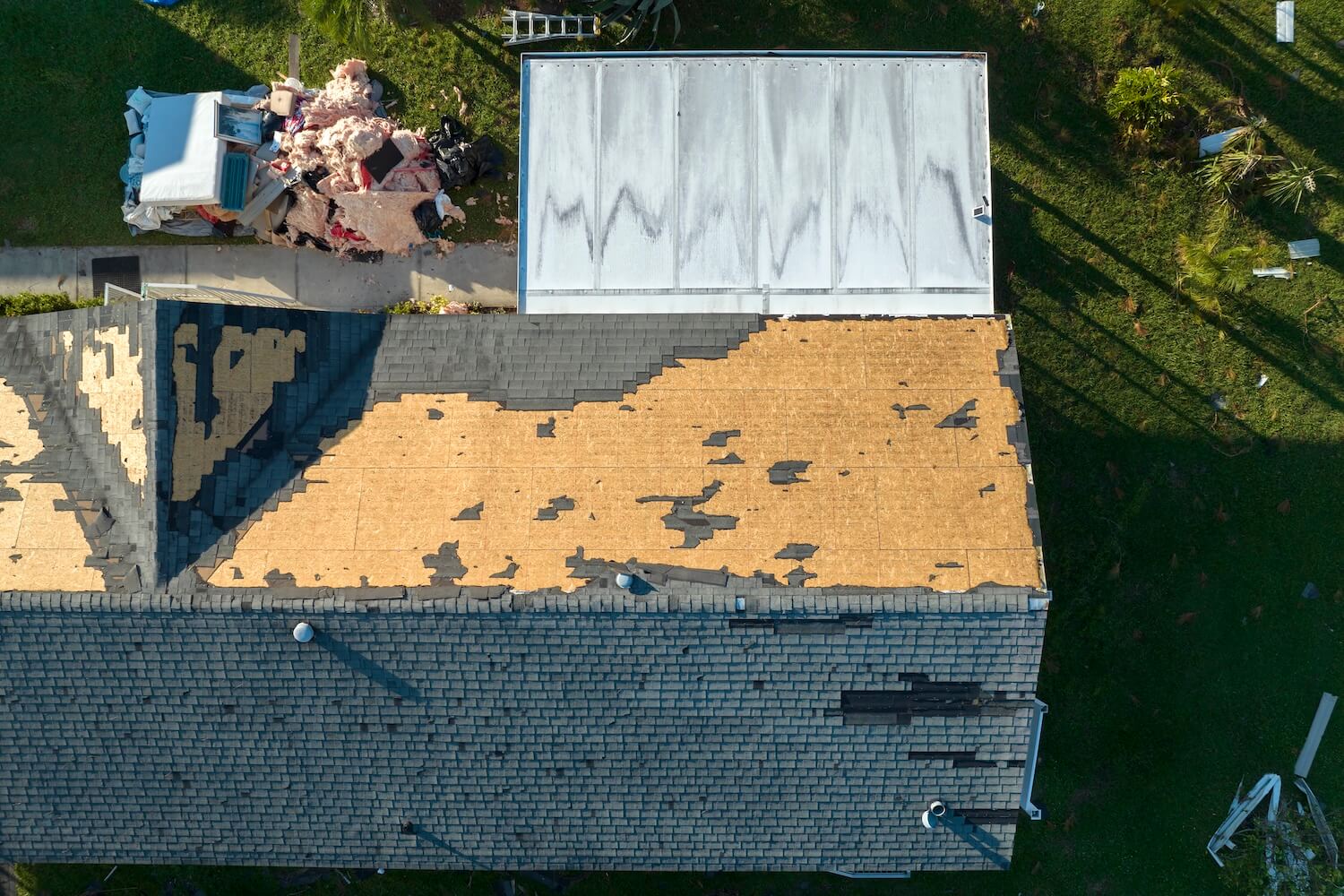
As you look out your window on a clear morning, the rhythmic, metallic sound of hammers echoes down your street. A large construction trailer sits in your next-door neighbor’s driveway, and a crew is busy stripping away layers of old, weathered shingles. For many homeowners, this sight is treated as a minor neighborhood noise distraction, something to tolerate until the weekend. However, seeing your neighbors replace their roofs is actually one of the most reliable, chronological early warning signs that your own home’s primary protective shield is on borrowed time. A residential roof is a home’s first line of defense against the elements, and keeping it in optimal condition is the cornerstone of responsible property maintenance. When a neighborhood begins to undergo a series of roofing upgrades, it signals a logical timeline shift that you cannot afford to ignore.
The Science of “Same-Age” Neighborhoods
To understand why a neighbor’s construction project serves as a direct warning for your own property, one must look at how residential communities are built. In subdivisions and planned developments across Oregon, homes are typically constructed in rapid succession by the same developer. This means that the structures on your street share the exact same chronological age, were built under the same regional building codes, and were likely finished using identical grades of contractor-grade materials.
If your home was constructed around the same time as your neighbor’s, their roof has faced the exact same decades of Pacific Northwest weather extremes as yours. It has endured the same damp winter rains, heavy snow loads, freezing ice dam cycles, and baking summer UV radiation. Because standard asphalt composition shingles are physically engineered to last around 20 to 25 years before they degrade, a neighborhood built in the same era will naturally reach its structural expiration date all at once.
While certain variables can alter the lifespan of individual roofs, such as different exposure to direct sunlight, shade from mature trees, or the quality of previous localized repairs, the overall chronological aging process remains a constant, inescapable force. Seeing multiple homes on your block get a reroof is a clear, community-wide alarm bell that your own system is likely approaching its functional limit.
The Progression of Shingle Decay
When warning signs of material aging go unnoticed or unaddressed, small issues can rapidly escalate into severe structural failures. While it is easy to assume your roof is fine because you haven’t noticed a puddle on your living room floor, material breakdown is a slow, cumulative process. By performing routine visual checks from ground level, homeowners can spot clear physical indicators that their protective barrier has been compromised.
The primary defense mechanism of an asphalt shingle is its outer layer of mineral granules. These granules protect the raw asphalt substrate from UV degradation and physical impacts. As shingles age, they naturally shed these granules. If you notice excessive granule buildup clogging your gutters or washing out of your downspouts after rain, it is a clear warning that your shingles are deteriorating faster than normal.
Without their protective granules, shingles become brittle, dry, and highly vulnerable to temperature fluctuations. This leads to visible material damage such as missing, broken, curling, or buckling shingles. Curling and buckling are often exacerbated by poor attic ventilation, which “bakes” the shingles from the inside out and makes them highly susceptible to being ripped off by strong winter winds. You may also notice lifting shingles caused by backing-out staples or exposed fiberglass, creating immediate pathways for water intrusion.
Furthermore, damp climates encourage biological invaders like algae and moss to take root in the weathered, porous surface of aging shingles. Moss acts as a damp sponge, trapping water against the roof surface, promoting wood rot, and lifting shingle edges.
Finally, do not overlook metal flashing, the specialized metal strips that seal vulnerable valleys, chimneys, skylights, and vertical roof joints. When prolonged weather exposure causes flashing to warp, crack, or pull loose, it loses its ability to redirect water, creating silent, direct conduits for water to enter your home’s structure.
The Hidden Cascade of Water and Efficiency Damage
Waiting for an active, visible ceiling drip to reveal a roof leak is a dangerous and expensive gamble. By the time water manages to stain your interior drywall, it has already caused extensive, hidden damage in the dark spaces of your attic and framing.
When moisture bypasses a compromised shingle or cracked vent seal, it first saturates your attic insulation. Wet insulation loses its thermal resistance, destroying its ability to regulate your home’s indoor climate. This insulation failure allows outside air to seep in, causing drafts and uneven temperatures between rooms. To compensate for this thermal loss, your heating and cooling systems must run continuously, placing unnecessary mechanical strain on your HVAC equipment and driving up your monthly energy bills.
Beyond driving up your utility bills, persistent moisture creates the perfect environment for mold and mildew to thrive within wall cavities and roof junctions. These fungi degrade structural elements, such as wooden beams, joists, and drywall, while releasing airborne spores that pose serious respiratory health risks and allergic reactions for your family.
In advanced cases of neglect, water saturation rots the wooden roof decking itself. Rotted decking cannot support structural weight or hold roofing nails securely, leading to visible sagging on the roof deck. Sagging is an emergency indicator of potential foundational instability that requires immediate, professional intervention to prevent a catastrophic structural collapse.
The Impact on Your Property Value and Insurance Rates
Your neighbor’s new roof does more than just protect their interior; it immediately upgrades the overall curb appeal and marketability of their property. However, this community upgrade has a direct, measurable impact on how prospective buyers and appraisers view your home.
If your home sits with faded, worn, or algae-stained shingles next to a block of pristine, modern roof installations, your property will stand out as a significant financial liability. Should you choose to sell your home, an aging roof can result in lower purchase offers, a longer duration sitting on the market, and intense negotiations over repair credits. Conversely, homes with updated, certified roofs immediately elevate buyer confidence, command higher appraisal values, and sell much faster.
Insurance providers are also highly sensitive to neighborhood aging trends. Communities with updated roofs see fewer storm-related claims, which directly influences regional insurance rate adjustments. However, if your home retains an older, unmaintained roof while the rest of the neighborhood updates, you face a high risk of individual rate increases, premium hikes, or severe coverage restrictions. In contrast, upgrading to a modern, high-performance roofing system can often qualify you for substantial homeowners insurance discounts.
Finding the Right Partner: The Deschutes Roofing Standard
When the warning signs on your street point to an upcoming replacement, choosing the right contractor to restore your home’s primary shield is the most critical decision you will make. Relying on cheap, temporary patchwork or uncertified installers who use substandard materials often results in mismatched components, premature failures, and voided manufacturer warranties.
For Oregon homeowners, partnering with Deschutes Roofing ensures that your capital investment is matched by the highest standards of safety, durability, and craftsmanship. As a family- and veteran-owned local contractor, Deschutes Roofing takes a meticulous, comprehensive approach to every reroofing project, evaluating your entire system from both the inside and the outside to ensure proper attic insulation, structural decking integrity, and balanced ventilation.
They hold elite manufacturer credentials, including GAF Master Elite® Contractor status, a distinction earned by less than 2% of roofing professionals nationwide. This factory-certified training ensures that your roof is installed according to strict manufacturer specifications, enabling them to offer industry-leading warranties, such as GAF’s Golden Pledge® Roof System, which provides up to a 30-year labor warranty and a 50-year non-prorated material warranty.
To minimize the daily disruption of construction on your life, Deschutes Roofing has the specialized training and crew capacity to complete most standard residential roof replacements in just a single day. They also eliminate property debris through their exclusive “New Roof, No Mess®” guarantee, utilizing a specialized mobile debris management system (the Equipter RB4000) that catches old shingles at the roofline, keeping your pristine lawns, gardens, and delicate landscaping completely safe and spotless.
If you are concerned about the upfront cost of a roof replacement, they offer flexible 100% financing options up to $100,000 with quick, online approvals in under ten minutes and zero prepayment penalties, allowing you to secure your home today while paying on your own terms.
Frequently Asked Questions
Why is my neighbor getting a new roof when my insurance adjuster rejected my storm claim?
Every roof is unique. Your neighbor may have had pre-existing damage, less durable or lower-quality roofing materials, or they may have been hit harder by a localized microclimate storm than your home was. Having a certified roofing professional accompany your insurance adjuster during their physical roof inspection is the best way to ensure all subtle storm damage is documented accurately.
How can I safely inspect my roof’s condition without climbing a ladder?
You can spot many major warning signs safely from the ground using binoculars or a high-zoom phone camera. Scan your roofline for missing, cracked, curling, or buckling shingles, bald spots, metal flashing separation, or excessive dark algae and moss streaks.
What is the difference between a free inspection estimate and a written roof report?
A free inspection conducted during an estimate visit provides a basic verbal report of the roof’s current state and a quote for repairs or replacement. A formal written roof report is a comprehensive, validated document complete with technical photos and technical details. Written reports are highly recommended when buying or selling a home to provide total transparency for all interested parties.
Will a new roof actually lower my monthly utility bills?
Yes. An aging roof with compromised shingles and saturated attic insulation allows valuable indoor heat to escape in the winter and lets outside drafts seep in. Replacing your roof with a modern system, complete with high-performance synthetic underlayments, proper ice and water barriers, and balanced ventilation, keeps your home insulated, reducing energy costs.
How can I tell if my roof has hidden water damage inside my home?
Look for visual cues such as yellow or brown stains on your interior ceilings and walls, bubbling wallpaper, peeling paint, or musty odors in your attic. If you hear frequent, persistent creaking, popping, or structural noises coming from your roof after major weather events, it can also suggest underlying material weakness.
What are the financial options if I need a new roof but want to preserve my cash?
Specialized residential roofing contractors offer 100% financing options up to $100,000 through home improvement lending leaders like GreenSky. These programs provide competitive rates, low fixed monthly payments, zero application fees, and quick approvals in under ten minutes.
Conclusion: Act Before the First Winter Leak
Your home is your most valuable financial asset, and its roof is the primary shield standing between your family and the unpredictable elements of the Pacific Northwest. While it is easy to put off a major project, ignoring the warning signs of your neighborhood’s aging roof timeline is a costly strategy that invites hidden structural rot, mold hazards, and high energy bills into your sanctuary.
By taking a proactive, evidence-based approach and scheduling a professional evaluation without warning, you protect your property’s equity and secure long-term peace of mind.
Don’t wait for a winter storm or an active ceiling drip to force your hand. Partner with the factory-certified experts at Deschutes Roofing to explore your material and financing options, and ensure your home remains a dry, safe, and beautiful sanctuary for the decades to come.