 Skip to content

Imagine standing in your driveway on a crisp morning, watching a home renovation unfold. The rhythmic scraping of pry bars echoes across the yard as an installation crew strips away worn, sun-bleached shingles down to the bare wooden structure beneath. To a passing neighbor, the project looks simple enough: remove the tired outer layer, roll out a fresh surface, and nail down colorful new architectural shingles to refresh the home’s curb appeal.
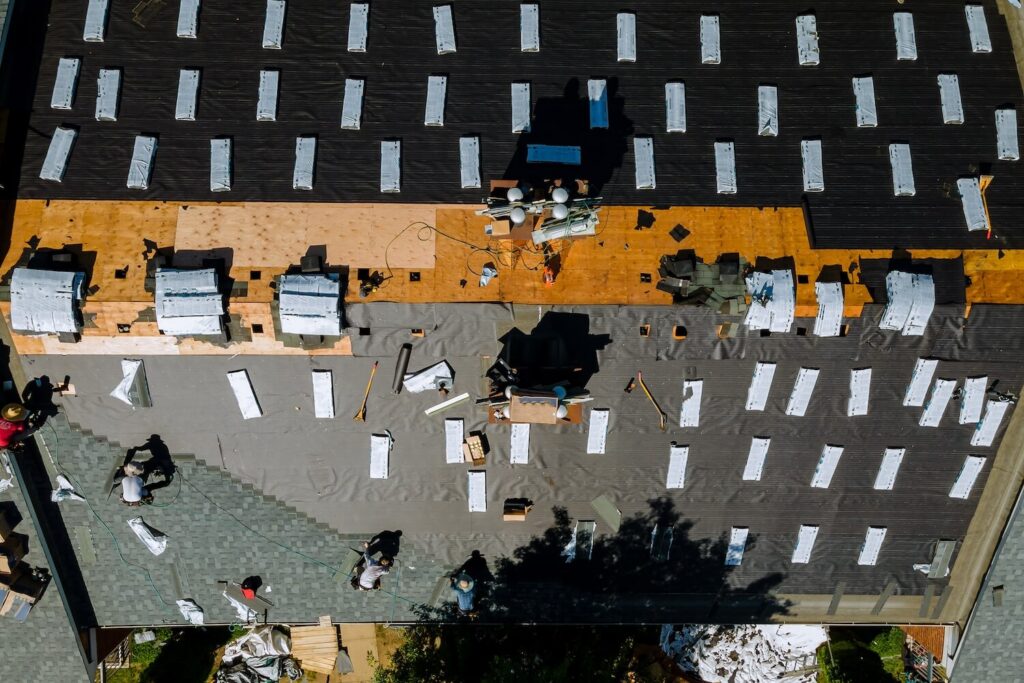
However, looking at a roof replacement as a mere cosmetic shingle swap misses the vast majority of what actually keeps a building dry, comfortable, and structurally sound. A roof is not a single product; it is a complex, multi-layered engineering system designed to defend your home against rain, wind, hail, snow, and extreme temperature swings. Shingles are simply the visible armor on the outside, the outermost layer of an integrated weather-barrier envelope.
To understand what makes a roof replacement successful and long-lasting, you have to look “under the hood”.
Beneath those visible shingles lies a sophisticated assembly of structural boards, waterproof membranes, metal flashings, specialized edge strips, and airflow components. If any single layer within this system is omitted, cheapened, or installed incorrectly, the entire roof can fail, regardless of how expensive or durable the outer shingles happen to be.
The Structural Foundation: Evaluating and Preparing the Wooden Deck
Every high-performance roof begins with a solid, healthy foundation known as the roof deck, or sheathing. Composed of sturdy plywood or oriented strand board (OSB) fastened directly to the structural roof rafters and trusses, the decking serves as the flat wooden platform that supports the entire weight of the roofing materials.
When an experienced crew begins a roof replacement, the very first critical phase is executing a complete tear-off of all old materials down to the bare wooden deck. Tearing off the old layers rather than nailing new shingles over existing ones is essential because it exposes hidden structural flaws that would otherwise remain concealed until a catastrophic failure occurs.
Over decades of exposure to seasonal storms and humidity, roof decking can suffer from silent degradation. Small, undetected leaks around pipe boots or valley seams can slowly rot the wood from the inside out. During the tear-off inspection, technicians examine the decking for soft spots, water staining, warping, delamination, and backing-out staples or nails. Installing fresh shingles over compromised, spongy, or rotting wood is a recipe for disaster; nails will fail to hold securely, and sagging deck planes will quickly compromise the watertight seals of the new materials above.
Replacing damaged or rotted decking boards with fresh, clean sheet wood restores the structural integrity of the home. It ensures that every fastener driven into the roof achieves maximum bite and holding power, creating a flat, rigid foundation capable of withstanding heavy wind uplift and thick snow loads.
The Waterproof Roof Shields: Leak Barriers and Synthetic Underlayments
Once the wooden deck is inspected and repaired, the process of constructing the watertight envelope begins. Before a single shingle is laid, two distinct types of protective underlayment barriers must be installed directly over the wood sheathing.
The first line of defense against severe moisture intrusion is the leak barrier, commonly known as an ice and water shield. This specialized material is a thick, self-adhering polymer-modified membrane engineered to form a liquid-tight seal over the most vulnerable transition zones of the roof deck. Unlike standard underlayment, ice and water shields adhere directly to the wooden deck and seal tightly around every nail that pierces through them.
Roofing professionals apply ice and water shields in high-risk areas where water naturally concentrates or backs up, such as roof valleys, along the eaves, around skylights, beneath chimney flashings, and surrounding plumbing vent boots. In regions prone to cold winters, this barrier is vital along the eave line to prevent water from backing up under the shingles when ice dams form in the gutters.
Covering the remaining flat expanses of the roof deck is the primary underlayment. Historically, roofers relied on basic asphalt-saturated felt paper, commonly known as black tar paper. While felt provided basic short-term protection, it was prone to tearing during installation, drying out over time, and absorbing moisture.
Modern high-performance replacements utilize advanced synthetic underlayments. Woven from durable polyethylene or polypropylene polymers, synthetic underlayment provides superior tear resistance, repels water completely, and acts as a tough secondary barrier. It serves two crucial purposes: it prevents wind-driven rain that bypasses the outer shingles from reaching the wood deck, and it isolates the shingles from the natural saps in the wood that can cause premature asphalt breakdown.
Roof Perimeter and Vulnerability Defense: Drip Edges, Starters, and Flashings
With the deck sealed under waterproof underlayments, the next layer of protection involves precision-engineered metal components and specialized starter materials designed to guard the roof’s vulnerable perimeters and joints.
Drip Edge Metal
Installed along the eaves and rakes (the sloping edges) of the roof, drip edge is an L-shaped metal flashing that extends over the edge of the roof deck. Its purpose is to guide rainwater away from the underlying wood fascia boards and direct it smoothly into the gutter troughs. Without a properly installed drip edge, dripping water will naturally curl backward under the roof edge due to surface tension, rotting the fascia boards, ruining exterior paint, and eroding the decking edge over time.
Starter Shingles
A common mistake made during substandard installations is skipping dedicated starter shingles along the lower eave line. Starter shingles are specifically manufactured strips featuring a factory-applied adhesive bead along their outer edge. They are installed prior to the first course of primary shingles to ensure complete, continuous coverage at the roof’s edge. This adhesive bond locks the bottom row of shingles securely to the roof deck, preventing strong wind gusts from getting underneath the shingle edges and peeling them upward.
Metal Flashings
No matter how durable your outer roofing materials are, roof penetrations and vertical wall intersections represent the most frequent source of roof leaks. Metal flashings, typically constructed from rust-resistant aluminum, galvanized steel, or copper, are custom-fitted around chimneys, dormers, skylights, vent pipes, and valley channels.
In roof valleys, heavy-gauge valley metal creates an unobstructed channel that safely sheds high volumes of cascading rainwater. Around vertical wall junctions, step flashing uses overlapping metal cards interleaved between shingle courses to weave a watertight barrier that directs water down the slope. Around pipe penetrations, specialized rubber-boot flashing collars create a tight, flexible compression seal around the pipe to prevent rain from entering the attic space.
Hip and Ridge Cap Shingles
At the very top of the roof structure, where opposing roof slopes meet at the ridge line or hips, standard field shingles cannot simply be bent over the peak without cracking or failing. Specialized hip and ridge cap shingles are engineered to bend smoothly over these high-stress peaks. These caps seal the top seam of the roof envelope while providing a clean, high-profile aesthetic finish.
The Breathing Envelope: Attic Ventilation and Thermal Balance
One of the most frequently overlooked components of a quality roof replacement is the attic ventilation system. Many homeowners assume a roof’s sole job is to keep water out, but a truly high-performing roof system must also allow air to flow freely through the attic space.
Sunlight shining down on a roof transfers immense heat into the attic below. Without proper airflow, attic temperatures during the summer can easily soar past 150°F. This trapped heat radiates downward into your living spaces, forcing your air conditioning system to work significantly harder and driving up monthly energy utility bills. More dangerously, extreme attic heat literally “bakes” the asphalt shingles from the underside, causing the shingles to blister, lose their protective granules, and fail prematurely.
In the winter, poor ventilation creates the opposite problem: trapped interior humidity from shower steam, cooking, and laundry rises into the cold attic space. When this warm, moist air hits the cold underside of the wooden roof deck, it condenses into water droplets. This persistent moisture causes wood rot in the rafters, ruins attic insulation efficiency, and promotes the growth of unhealthy mold and mildew.
A properly engineered roof replacement incorporates a balanced, continuous ventilation system. Balanced ventilation functions on a simple intake-and-exhaust principle:
- Intake Venting: Soffit or eave vents installed along the lower overhangs allow fresh, cool outdoor air to enter the attic space continuously. Specialized rafter baffles are placed inside the attic to ensure insulation does not block these intake pathways.
- Exhaust Venting: Continuous ridge vents installed along the peak of the roof, or strategically placed box and stem vents, allow hot, moist air to rise naturally and exhaust out the top of the building.
By maintaining a continuous, balanced draft of outdoor air through the attic, a properly ventilated roof system stabilizes the temperature of the structure, prevents winter condensation, improves home energy efficiency, and protects the manufacturer’s warranty of your new shingles.
The Value of Certified Workmanship and Elite Warranties
Now that you see what goes into a complete roofing system, one final truth becomes clear: even the highest-rated materials in the world will fail if they are installed improperly. According to insurance industry data, the primary cause of premature roof failure is not defective materials, but substandard installation practices, such as improper nail placement, skipped underlayments, missing drip edges, or miscalculated ventilation.
This is why choosing a qualified, certified contractor is just as critical as selecting the shingles themselves. Premier manufacturers like GAF, Owens Corning, Malarkey, and IKO offer rigorous certification programs for top-tier contractors. These certifications require roofing companies to demonstrate extensive ongoing training, carry full licensing and specialized liability insurance, and maintain a proven track record of meticulous workmanship.
When you work with a factory-certified local leader like Deschutes Roofing, you gain access to elite, system-wide protection. As a family- and veteran-owned contractor operating across Oregon, Deschutes Roofing evaluates every layer of your roof envelope inside and out, from decking and underlayment to attic insulation and ventilation. Because their installation crews are factory-certified by leading manufacturers like GAF, Owens Corning, Malarkey, and IKO, they can offer non-prorated product warranties lasting up to 50 years, paired with robust 25-to-30-year workmanship warranties that guarantee long-term protection.
To minimize disruption during construction, certified contractors like Deschutes Roofing can complete most residential roof replacements in just a single day. They also protect your property through their exclusive “New Roof, No Mess®” guarantee, utilizing specialized mobile debris management systems to catch falling shingles at the roofline and keep your lawns, driveways, and flower beds completely spotless. Furthermore, to ensure high-quality structural care remains accessible, they offer 100% financing options up to $100,000, competitive price matching, and an exclusive $500 discount for veterans, first responders, educators, and seniors.
Frequently Asked Questions (FAQ)
Why isn’t it enough to simply nail new shingles over my old ones?
Nailing new shingles over an existing layer conceals underlying structural issues like rotted decking, soft spots, or compromised flashings. A complete tear-off allows technicians to inspect and repair the wooden deck, replace worn flashings, and install modern synthetic underlayments and ice barriers for a truly watertight seal.
What is the purpose of an ice and water shield?
An ice and water shield is a thick, self-adhering membrane installed in high-risk leak areas such as roof valleys, eaves, skylights, and around vent pipes. It seals tightly around nails and prevents water from penetrating the deck during heavy rains or winter ice dams.
How does attic ventilation affect the lifespan of my new roof?
Proper attic ventilation allows hot, moist air to exhaust out of the attic while drawing cool air in through soffit vents. Without adequate ventilation, trapped heat can bake shingles from underneath, causing them to blister and crack prematurely, while winter moisture can cause mold growth and wood rot in your roof deck.
What are starter shingles, and why are they necessary?
Starter shingles are specialized adhesive-backed shingle strips installed along the outer eaves and rakes before the main shingles are laid. They provide continuous coverage at the roof’s edge and feature a factory sealant that locks the bottom shingle course down, preventing high winds from peeling the roof back.
How long does a proper, full-system roof replacement take?
While the timeline depends on roof size and complexity, experienced, well-equipped crews can complete a full residential roof replacement, including tear-off, deck repairs, barrier installation, and complete jobsite cleanup, in just a single day.
Roof Replacement Conclusion: Investing in Complete Protection
A roof replacement is one of the most vital investments you will ever make in your home. While colorful shingles provide a beautiful visual transformation, true security comes from everything working silently beneath the surface. From structural wooden decking and self-sealing leak barriers to high-performance synthetic underlayments, precision flashings, and balanced attic ventilation, every component plays an irreplaceable role in keeping your family warm, dry, and protected.
When it comes time to replace your aging roof, look beyond superficial shingle prices and invest in a complete, engineered roofing system. Partnering with a factory-certified, veteran-led local expert like Deschutes Roofing guarantees that your new roof is built right from the deck up, backed by industry-leading warranties and meticulous craftsmanship. Don’t settle for a quick cover-up, contact Deschutes Roofing today to schedule a comprehensive evaluation and protect what matters most for decades to come.