 Skip to content

In the world of homeownership, the roof is often viewed as a recurring liability. For many, it is a structure that must be replaced every two decades, a temporary cap on a permanent home that slowly degrades under the sun, rain, and wind. This cycle of decay and replacement has long been the standard, particularly with lightweight materials like asphalt shingles. However, there is a class of homeowners who have decided to opt out of this cycle. They are looking for more than a quick fix; they are seeking a permanent shield against the elements, a “50-year roof” that serves as a multi-generational investment. Among the various premium materials available, cement tile roofing has emerged as the gold standard for durability and long-term value.
While the aesthetic appeal of these roofs is undeniable, there is a more pragmatic reason why they are gaining popularity: insurance companies absolutely love them.
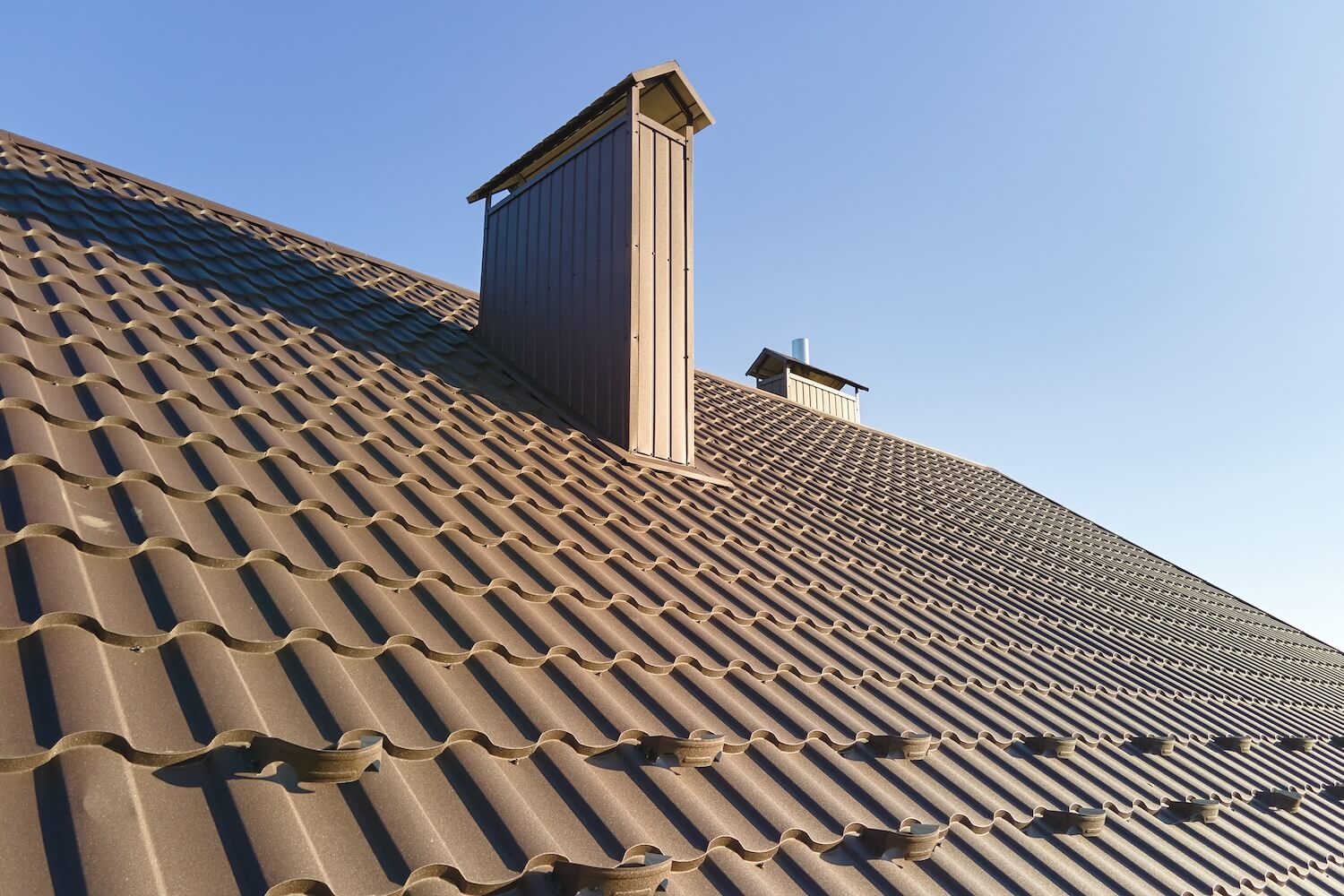
To understand why a cement tile roof is an insurance provider’s ideal scenario, one must look at the inherent structural properties of the material itself. Unlike asphalt, which can curl, lose its protective granules, and eventually become brittle under intense UV exposure, cement tiles are engineered to grow stronger as they age. They are manufactured from a dense mixture of Portland cement, sand, water, and iron oxide pigments, which are extruded into molds under extreme pressure. As these tiles cure over decades, their structural integrity actually improves, providing a level of resilience that few other materials can match.
The Non-Combustible Shield: Class A Fire Resistance
The most immediate reason for the favorable relationship between insurance companies and cement tile is fire safety. In many regions, including the Pacific Northwest and coastal areas, wildfire risk and urban fire spread are significant concerns for insurers. Cement tile carries a Class A fire rating, which is the highest safety designation available in the industry. Because the tiles are made of non-combustible stone-like material, they will not ignite, contribute to the spread of a flame, or smolder if exposed to flying embers.
Unlike wood shakes, which require chemically intensive treatments that can degrade over time, the fire resistance of cement tile is a permanent feature of the material. For an insurance provider, this translates to a massive reduction in risk. Most roof insurance companies offer noticeable discounts to homeowners who utilize these non-combustible materials on their exteriors, as the likelihood of a total loss due to fire is significantly lower compared to homes with traditional roofing. This safety feature provides the ultimate peace of mind for families, knowing their sanctuary is protected by an impenetrable stone barrier.
Defying the Storm: 150 MPH Wind Ratings
While fire is a catastrophic threat, wind damage is far more common. In high-wind zones or coastal areas prone to seasonal storms, lightweight roofs are often stripped of their shingles, leading to water intrusion and massive interior damage claims. Cement tile roofs are engineered to eliminate this cycle of damage. When installed with mechanical fasteners and specialized hurricane clips, these systems are rated for sustained winds of 150 mph or higher.
The secret to this performance is actually found in what many consider the material’s biggest drawback: its weight. Concrete tiles weigh between 900 and 1,200 pounds per roofing square (100 square feet). While this necessitates a structural evaluation of the home’s framing, this immense mass becomes a powerful advantage during a storm. The weight of the tiles, combined with their interlocking design, provides exceptional resistance to wind uplift. During severe weather events, these roofs stay put while neighbors’ shingle roofs are often compromised. By preventing the initial breach of the roofing envelope, cement tiles protect the entire interior of the home from water damage, which is a major win for insurance adjusters.
Longevity and the Math of Replacement
Insurance companies are essentially risk management experts who operate on long-term data. When they look at a standard asphalt shingle roof, they see a product with a 15- to 25-year lifespan that is highly susceptible to hail, wind, and granule loss. Every time that roof is replaced, the insurer potentially faces a massive claim payout. In contrast, a properly installed concrete tile roof is intended to last for 50 to 100 years, essentially the life of the structure it covers.
When analyzed over 75 years, the annual cost of a tile roof is often significantly lower than that of asphalt. While the upfront investment is two to three times higher than shingles, the “full life-cycle cost” makes it an incredibly affordable option in the long run. Because the tiles themselves rarely fail, the only major maintenance required over several decades might be the replacement of the underlayment or flashing. This longevity makes the home a much more stable asset to insure. For homeowners who plan to stay in their property for 20 years or more, the investment in tile pays for itself through avoided replacement costs and insurance savings.
Thermal Mass and Energy Efficiency
Beyond protection from disasters, insurance companies and homeowners both value the energy-efficiency traits of cement tile. These roofs are naturally insulating due to two factors: the thermal mass of the concrete and the air gap created during installation. Because tiles are shaped, whether in a high-profile barrel “S-tile” or a flat slate profile, they are not applied directly to the deck like shingles. This creates a “buffer zone” of air that acts as an extra layer of insulation.
This system can reduce heat transfer into the attic by up to 50% compared to other materials. In regions with scorching summer heat, this keeps the home’s interior cooler and reduces the strain on HVAC systems. Many modern concrete tiles also meet ENERGY STAR® requirements, further validating their role as a sustainable, eco-friendly choice. By maintaining a more consistent internal temperature, homeowners enjoy lower utility bills and a more comfortable living environment.
Aesthetics That Drive Property Value
From a financial perspective, appraisers and insurance companies recognize that a tile roof is a premium feature that boosts a home’s curb appeal and market value. Cement tiles are incredibly versatile and can be manufactured to mimic much more expensive materials. For example:
- Flat Profiles resemble natural slate or stone at a fraction of the cost.
- Shake Profiles provide the rustic, textured look of wood without the high maintenance or fire risk.
- High-Profile Barrel Tiles offer the classic Mediterranean or Spanish aesthetic that many associate with high-end coastal properties.
When a home is valued higher, it is generally treated with more care, further reducing the insurer’s perceived risk. For the homeowner, this means that if they ever decide to sell, their 50-year investment provides a tangible return through a higher appraisal value.
The Importance of Expert Installation
While the materials themselves are nearly indestructible, a tile roof is only as good as the team that installs it. Because of the significant weight involved, a professional installation must begin with a structural engineering evaluation to ensure the home’s framing and load-bearing walls can support the additional 18,000 to 24,000 pounds of material. Furthermore, the interlocking design requires precision to ensure a watertight seal and proper drainage.
This is why homeowners across the state turn to factory-certified specialists. Deschutes Roofing is a family- and veteran-owned contractor that understands the technical nuances of tile installation. Their team is specifically trained to handle the complex waterproofing steps, including the installation of high-quality underlayment and custom flashing that the 50-year material demands. By choosing a certified professional, you ensure that the roof is installed according to strict building codes, which is essential for securing those valuable insurance discounts.
Furthermore, Deschutes Roofing provides a comprehensive approach to every project, evaluating not just the tiles but the attic insulation and ventilation as well. This holistic view ensures that your new roof isn’t just a covering, but a high-performance system designed to protect your home for a lifetime. With five offices serving communities across Oregon, they provide the local expertise necessary to navigate the unique weather challenges of the Pacific Northwest.
Accessibility and Peace of Mind
For many, the only barrier to a 50-year roof is the initial cost. However, modern financial solutions have made this elite level of protection accessible to more homeowners than ever. Through partnerships with leading lenders, Deschutes Roofing offers 100% financing options with credit limits up to $100,000. Approvals are often provided in under 10 minutes, allowing you to secure your home’s future without depleting your current savings.
This financial flexibility, combined with the fact that cement tile is recyclable at the end of its long life, makes it both a financially and environmentally responsible choice. When you invest in tile, you are committing to the longevity of your property and the safety of your family.
Frequently Asked Questions (FAQ)
How long does a concrete tile roof actually last?
With proper installation and minimal maintenance, a concrete tile roof can last between 50 and 100 years. While the underlayment beneath the tiles may need to be replaced every few decades, the tiles themselves are intended to last the entire life of the house.
Can any home support the weight of a tile roof?
Not every structure is built for the weight of concrete, which is significantly heavier than asphalt. Before installation, a structural engineer must evaluate your home’s framing and trusses. If the structure needs extra support, reinforcement costs can range from $1,000 to over $10,000, depending on the complexity.
Do cement tile roofs really help with insurance premiums?
Yes. Because of their Class A fire rating and high resistance to wind and hail, many insurance companies offer premium discounts for homes with tile roofs. These savings can help offset the higher upfront cost of the material over time.
Are tile roofs difficult to maintain?
Maintenance is quite minimal. Beyond occasional cleaning to remove moss or algae in damp climates and an annual visual inspection for cracked tiles, they require very little upkeep. Individual broken tiles can be replaced easily without disturbing the rest of the roof.
What is the difference between concrete and clay tiles?
Concrete tiles are generally more affordable and offer a wider variety of styles and colors. Clay tiles last even longer (75-100+ years) and have permanent color, while concrete tile color can fade slightly over several decades. Both offer comparable fire and wind protection.
Is it true that tile roofs are better for the environment?
Yes. Cement tiles have excellent thermal mass, which reduces energy consumption. Additionally, the tiles are made of natural materials and are fully recyclable at the end of their lifespan, unlike asphalt shingles, which contribute significantly to landfill waste.
Conclusion
Choosing a roof is one of the most significant decisions a homeowner will ever make. While it is tempting to choose the path of least resistance with a standard replacement, the “50-year investment” of a cement tile roof provides a level of security and financial stability that is simply unmatched. Between the Class A fire protection, the 150-mph wind ratings, and the high appraisal value, it is clear why this material is a favorite among insurance companies and savvy property owners alike.
By partnering with a veteran-owned, elite-certified team like Deschutes Roofing, you ensure that your investment is engineered to the highest standards of safety and quality. From initial structural assessments to the final meticulous placement of every tile, their commitment to excellence guarantees that your home will remain a safe, beautiful, and valuable sanctuary for generations to come. Don’t just cap your home; protect it for a lifetime with the resilience and elegance of cement tile.