 Skip to content

Your commercial roof is one of the most critical components of your building’s infrastructure. It shields your property, employees, and assets from the elements while also playing a significant role in energy efficiency and long-term operational costs. However, no roof lasts forever. Eventually, you’ll be faced with the question: should you repair your existing roof or invest in a full replacement?
Making the right decision requires evaluating multiple factors such as the roof’s age, damage severity, maintenance history, and your long-term business plans. In this comprehensive guide, we’ll walk through the key considerations to help you determine the best solution for your commercial building.
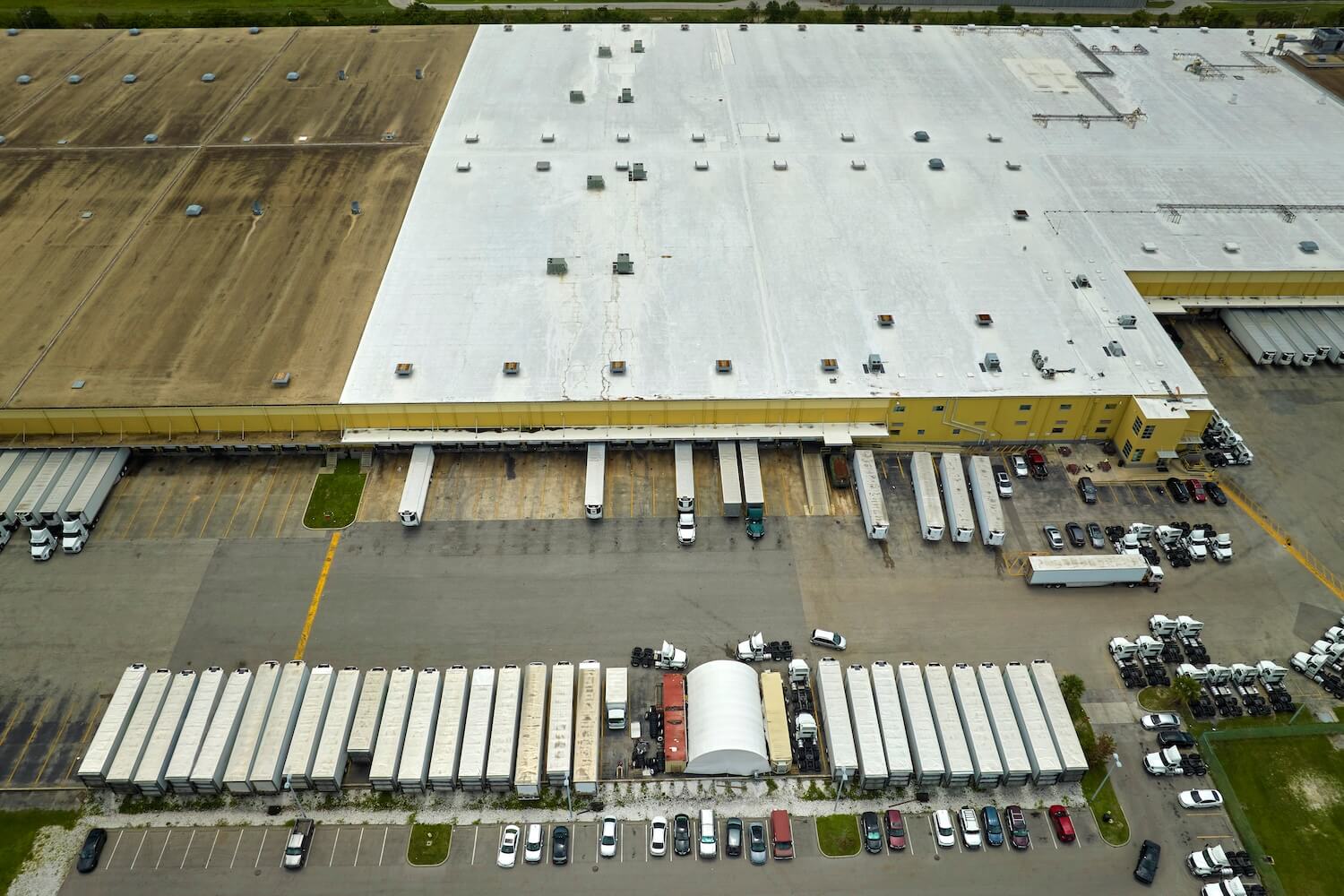
1. Assess the Current Condition of Your Commercial Roof
Before you can decide whether to repair or replace, you need a clear understanding of the roof’s existing condition. This typically involves a thorough professional roof inspection, where a commercial roofing expert evaluates:
- Visible Damage: Are there cracks, blisters, tears, or punctures in the roofing membrane?
- Moisture Intrusion: Is water pooling, leaking, or trapped beneath the surface?
- Structural Integrity: Are the underlying materials like insulation or decking compromised?
- Past Repairs: Are there multiple patch jobs or evidence of ongoing maintenance issues?
A detailed inspection will uncover whether the damage is isolated and repairable, or if there are widespread problems that threaten the roof’s overall performance.
Quick Tip: If leaks are widespread and interior water damage is visible in multiple areas, it may be a sign that the entire system is failing, making replacement the more cost-effective choice.
2. Factor in the Commercial Roof’s Age and Lifespan
Every commercial roofing system has an expected lifespan. For example:
- EPDM (rubber) roofing: 20–25 years
- TPO and PVC roofing: 20–30 years
- Built-up roofing (BUR): 20–30 years
- Metal roofing: 40–50 years or more
If your roof is near or beyond its expected lifespan, extensive repairs may only buy you a little time before replacement becomes inevitable. Conversely, if it’s relatively new and well-maintained, a targeted repair may restore full functionality without major expense.
Rule of Thumb:
- Less than 50% of expected lifespan used: Repairs are often a viable, cost-saving solution.
- Near the end of its lifespan: Replacement provides a better return on investment.
3. Evaluate the Extent of the Roof Damage
The scale of the damage matters. Minor, localized problems—like a single puncture from windblown debris- are easy and affordable to fix. However, when damage affects large sections of the roof, repairs may become a temporary bandage rather than a long-term fix.
Consider these scenarios:
- Minor Damage → Repair: A small leak near a rooftop HVAC unit caused by flashing failure.
- Moderate Damage → Depends on Age: Several leaks from different areas due to membrane deterioration.
- Severe Damage → Replace: Extensive water infiltration, insulation saturation, or structural weakening.
Remember, hidden damage can be more extensive than what you see. If moisture has seeped into insulation layers, it can compromise energy efficiency, encourage mold growth, and accelerate deterioration.
4. Analyze the Cost of Roof Repairs vs. Roof Replacement
Budget is always a major factor, but it’s important to look beyond the immediate price tag. Repairs may seem cheaper upfront, but repeated fixes can add up over time, especially if the commercial roof continues to fail.
Here’s how to evaluate the financial picture:
- Cost of Repairs: Ask your roofing contractor for an estimate of current repairs.
- Frequency of Past Repairs: How often have you needed fixes in the last few years?
- Projected Remaining Lifespan: Will repairs realistically extend the roof’s life, or just delay replacement?
- Energy Costs: Older roofs often lack modern insulation and reflective materials that improve efficiency.
In some cases, a partial replacement or roof overlay might offer a middle ground, providing new protection without a full tear-off.
5. Consider Business Disruption & Downtime
Roof work on a commercial building can impact your operations. Repairs typically cause minimal disruption, while full replacements may require more extensive planning.
Ask yourself:
- Can your business accommodate the downtime associated with a full replacement?
- Would frequent repair visits create more ongoing interruptions than completing a replacement all at once?
If you’re already dealing with frequent leaks, work stoppages, or safety hazards, it might make more sense to opt for a one-time replacement rather than constant patchwork.
6. Evaluate Energy Efficiency and Building Performance
Older commercial roofs often lack modern energy-efficient materials, leading to higher heating and cooling costs. A replacement gives you the opportunity to:
- Upgrade insulation to improve thermal performance
- Install reflective coatings or membranes to reduce heat absorption
- Comply with current energy codes and building standards
If your current roof is contributing to rising energy bills, replacement may offer long-term savings that outweigh the upfront investment.
7. Check for Roof Code Compliance & Roof Warranty Coverage
Building codes and manufacturer warranties also influence your decision.
- Code Compliance: If your roof no longer meets updated fire, wind, or energy codes, replacement may be necessary to bring it up to standard.
- Warranty Coverage: Repairs may void your existing warranty if not done according to manufacturer guidelines. Conversely, a new roof comes with a fresh warranty, providing added peace of mind.
If your roof is out of compliance or your warranty has expired, replacement becomes a more appealing option.
8. Align the Decision with Long-Term Property Goals
Your long-term business plans play a major role in the decision:
- Short-Term Ownership: If you plan to sell or relocate within a few years, repairs may be sufficient to maintain the roof’s condition until then.
- Long-Term Investment: If you’re committed to staying in the building for 10+ years, a replacement provides better ROI.
- Lease Agreements: If you’re leasing the property, consult your lease terms to see whether you or the property owner is responsible for repairs and replacements.
In many cases, property owners choose replacement when they want to increase the building’s resale value or attract higher-quality tenants.
9. Weather & Environmental Considerations
Your location’s climate also influences the decision. Commercial roofs in areas with heavy rainfall, snow loads, or high winds face more stress and wear.
For example:
- Heavy Rainfall & Moisture: Accelerates deterioration of older membranes.
- Snow & Ice: Can create ponding and structural strain.
- Windstorms & Debris: Cause tears, punctures, and flashing failure.
If your roof is already struggling with environmental challenges, patching weak spots might not be enough—replacement with a more durable system could be the smarter move.
10. Signs That Point to Roof Repair vs. Roof Replacement
Here’s a quick breakdown of typical indicators:
Roofing Repair May Be Sufficient If:
- Damage is minor and localized
- The roof is relatively new
- Leaks are few and easily traceable
- Insulation and structure remain intact
Roofing Replacement May Be Necessary If:
- Leaks are widespread and recurring
- Roof is nearing the end of its lifespan
- Insulation is saturated or compromised
- Repairs cost more than 30–40% of replacement
- Roof fails to meet modern codes or energy standards
11. Work with a Trusted Commercial Roofing Contractor
Ultimately, the best way to make an informed decision is to consult with a reputable commercial roofing contractor. They can:
- Conduct a detailed inspection
- Provide a written condition report
- Outline repair vs. replacement cost comparisons
- Recommend the most cost-effective long-term solution
Look for a contractor with experience in commercial roofing systems, proper licensing, and a solid reputation. They should explain your options clearly without pushing unnecessary work.
12. The Long-Term ROI Perspective
When deciding between repair and replacement, it’s important to look beyond the immediate costs and consider the return on investment (ROI) over the long haul. While repairs are often less expensive upfront, they may not always deliver the same value as a new, energy-efficient roof that can serve your building for decades.
Here’s why replacement can offer a stronger long-term ROI:
- Lower Ongoing Maintenance Costs
A failing commercial roof typically requires frequent repairs, which not only add up financially but also disrupt business operations. By replacing the roof, you essentially reset the maintenance clock, drastically reducing the need for costly emergency fixes and service calls. - Energy Savings Over Time
Newer commercial roofing systems often come with enhanced insulation and reflective properties, which help regulate indoor temperatures more efficiently. This means your HVAC system doesn’t have to work as hard, translating into significantly lower heating and cooling costs year after year. - Improved Tenant & Employee Satisfaction
If you lease your building to tenants, a reliable, leak-free roof makes your property more attractive and can justify higher rental rates. For owner-occupied buildings, it creates a safer, more comfortable environment for employees, which can positively impact productivity and morale. - Insurance & Risk Reduction
Aging roofs are more prone to leaks, mold, and even structural issues, all of which can lead to insurance claims and higher premiums. Replacing the roof reduces the risk of water damage and liability issues, potentially lowering insurance costs over time. - Increased Property Value
A new roof can boost your building’s resale value, making it more marketable if you decide to sell in the future. Prospective buyers or investors view a new roof as a major asset since it reduces their future maintenance burden. - Longer Warranty Protection
Roof replacements typically come with comprehensive manufacturer warranties, giving you peace of mind and protecting your investment for decades. In contrast, repairs may only offer limited warranties that don’t cover existing wear and tear. - Compliance with Modern Building Codes
Older roofs may not meet current energy efficiency or fire safety codes. By replacing the roof, you ensure your building remains compliant, avoiding potential fines and costly retrofits later on.
When you calculate the lifetime cost of ownership, a replacement often pays for itself through energy savings, fewer repairs, and added property value. While repairs may keep your roof functional in the short term, they rarely provide the same level of financial and operational benefits over the long run.
Bottom line: If you plan to keep the building for many years, a new roof isn’t just an expense, it’s an investment that enhances your property’s performance, safety, and value.
Final Thoughts
Choosing between commercial roof repair and replacement isn’t always easy. It requires balancing cost, roof condition, business goals, and plans. In many cases, minor damage on a relatively young roof is worth repairing, while an aging, leaking roof with compromised insulation is better off being replaced.
The smartest first step is always a professional roof inspection. With expert guidance, you can make a confident decision that protects your building, budget, and long-term investment.
Ready to Make the Right Choice for Your Commercial Property?
Don’t wait until small issues become costly emergencies. Schedule a commercial roof inspection with Deschutes Roofing today to get a clear picture of your roof’s condition and discover the most cost-effective solution for your building.