 Skip to content

Commercial roofs are an essential part of any business property, protecting employees, equipment, and inventory from the elements. Yet, many property owners only think about their roof when a problem becomes obvious, like a major leak or visible damage. By then, the repair costs can be significant, and the disruption to business operations can be severe. Understanding the signs of roof trouble and the value of professional inspections can save both time and money, ensuring your commercial property remains safe and functional.
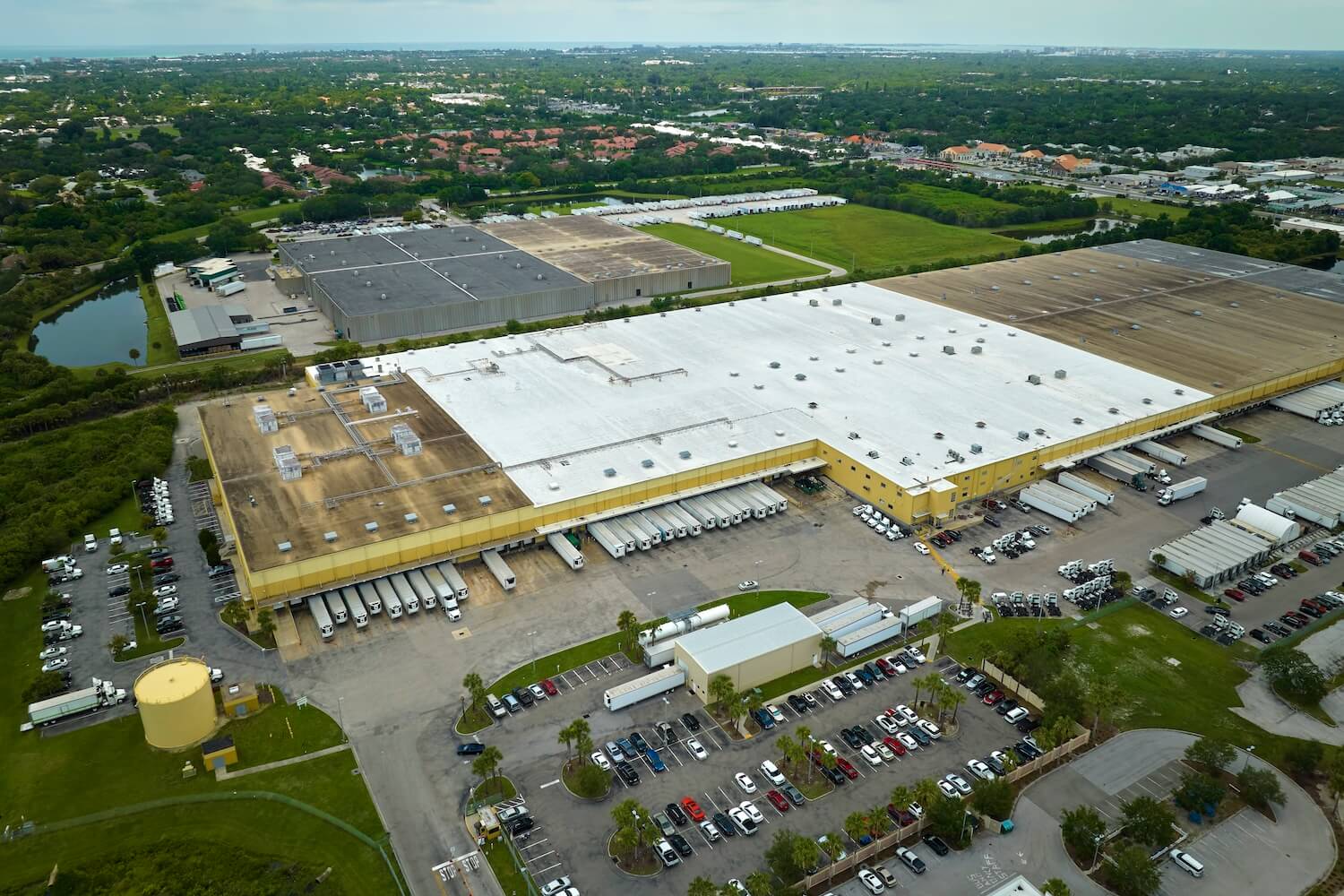
Common Signs Your Commercial Roof Might Be Failing
Commercial roofs are designed to withstand the wear and tear of weather, foot traffic, and aging materials. However, they do not last forever. Recognizing early warning signs can help prevent small issues from escalating into costly problems. Here are the most common indicators that your commercial roof may be in trouble:
1. Leaks and Water Damage
One of the most obvious signs of a failing roof is water intrusion. Leaks may appear as water stains on ceilings, walls, or around skylights and HVAC units. Even minor leaks can cause significant structural damage if left unchecked. Prolonged moisture exposure can lead to mold growth, weaken insulation, and compromise the integrity of the building.
Water damage is not always visible from the ground. Subtle signs like musty odors, bubbling paint, or warped ceilings can indicate a hidden problem that requires immediate attention.
2. Ponding Water
Flat or low-slope commercial roofs are prone to ponding water, pools of water that remain on the surface after rainfall instead of draining properly. While small amounts of water may not be harmful, persistent ponding increases the likelihood of leaks, accelerates roof material deterioration, and adds unnecessary weight to the structure. If you notice puddles or standing water on your roof, it’s a clear warning sign that drainage issues need to be addressed.
3. Cracked or Blistered Roofing Material
Over time, commercial roofing materials like TPO, EPDM, and modified bitumen can crack, blister, or bubble due to prolonged exposure to the sun and temperature fluctuations. Cracks can allow water to penetrate the roof, while blisters can rupture, leaving the underlying material exposed. These issues often appear gradually but can escalate quickly if ignored.
4. Sagging or Uneven Roof Surface
A sagging roof is a serious red flag. It may indicate structural issues such as water-saturated insulation or weakened decking. An uneven roof surface can also result from improper installation or shifting of roof materials over time. Both conditions increase the risk of leaks and structural failure.
5. Damaged Flashing
Flashing is the material used to seal roof penetrations, such as vents, chimneys, skylights, and HVAC equipment. Damaged or deteriorating flashing can allow water to seep into the building. Signs of flashing damage include rust, corrosion, gaps, or peeling around seams. Even small gaps can cause significant water intrusion over time.
6. Excessive Debris
A roof covered in leaves, branches, or other debris can retain moisture and promote mold and algae growth. Debris can also clog drains and gutters, exacerbating ponding water issues. Regular cleaning is essential, but excessive accumulation may indicate that your roof is more vulnerable to long-term damage.
7. Aging Roof
All roofing materials have a finite lifespan. While some materials last decades, others may deteriorate faster, especially in harsh climates. Signs that your roof may be nearing the end of its useful life include worn-out surface coatings, visible granule loss from asphalt shingles, and brittle or curling edges. Aging roofs often require more frequent repairs, and replacement may be more cost-effective in the long run.
8. Interior Signs of Roof Damage
Sometimes, the first indicators of roof trouble appear inside the building rather than on the roof itself. Watch for water stains, peeling paint, rust on metal surfaces, and mold growth. These interior signs often point to roof leaks that need immediate attention to prevent further damage.
How Regular Roof Inspections Help Prevent Major Issues
Identifying the warning signs of roof trouble is only part of the solution. A professional roof inspection can help property owners catch problems early, prioritize repairs, and extend the life of their commercial roof. Here’s why regular inspections are crucial:
1. Early Problem Detection
Professional roof inspectors are trained to spot issues that may not be obvious to the untrained eye. They can identify early signs of leaks, material deterioration, flashing problems, or drainage issues before they escalate. Early detection allows for timely repairs, preventing minor problems from becoming costly emergencies.
2. Cost Savings
Commercial roof repairs can be expensive, especially when problems go unnoticed for long periods. Regular inspections help avoid emergency repairs, which are often more costly due to the urgency and complexity involved. Additionally, catching small issues early can prevent structural damage, mold remediation, and equipment replacement costs.
3. Extending Roof Lifespan
Routine inspections and maintenance can significantly extend the life of a commercial roof. By addressing minor damage and performing preventive maintenance, you can keep the roof in optimal condition and maximize your return on investment. Proactive care often delays the need for a full roof replacement, saving money over the long term.
4. Insurance and Warranty Compliance
Many commercial roofing warranties require regular inspections and maintenance to remain valid. Insurance policies may also demand documentation of roof upkeep to approve claims for damage. Professional inspections provide a record that demonstrates you are meeting these obligations, protecting both your warranty coverage and your property investment.
5. Safety Assurance
A deteriorating roof can pose safety risks for employees, tenants, and visitors. Roof inspections identify hazards such as loose materials, weakened decking, or unsafe walking surfaces, allowing for prompt corrective measures. Maintaining a safe roof is essential for compliance with workplace safety standards and for protecting your business from liability.
What a Professional Roof Inspection Entails
Commercial roof inspections are thorough evaluations conducted by experienced roofing professionals. Here’s what you can typically expect:
1. Exterior Roof Assessment
Inspectors examine the roof surface, looking for cracks, blisters, punctures, and other signs of material degradation. They also check flashing, sealants, and roof penetrations for damage or deterioration.
2. Drainage Evaluation
Proper drainage is crucial to prevent ponding water and structural strain. Inspectors assess drains, gutters, and scuppers to ensure they are clear, functional, and capable of handling heavy rainfall.
3. Interior Inspection
Inspectors often check the building interior for water stains, mold, or other indicators of leaks. This step helps identify hidden issues that might not be visible from the roof surface.
4. Structural Assessment
Some inspections include evaluating the roof’s structural components, including decking, supports, and insulation. Sagging or weakened areas are documented, and recommendations for repair or reinforcement are provided.
5. Documentation and Recommendations
After the inspection, you typically receive a detailed report outlining the roof’s condition, any issues found, and recommended actions. This documentation is invaluable for planning repairs, budgeting for maintenance, and complying with insurance or warranty requirements.
How to Choose a Reliable Commercial Roofing Company
Selecting the right roofing contractor is essential to ensure a thorough inspection and accurate assessment. Here are some factors to consider:
1. Experience and Expertise
Choose a company with experience in commercial roofing and expertise with your specific roof type. Different roofing materials require different maintenance and repair techniques.
2. Licensing and Insurance
Verify that the contractor is properly licensed and insured. This protects your property and ensures that the work is performed according to local building codes.
3. Reputation and References
Look for reviews, testimonials, and references from other commercial property owners. A reputable company should have a proven track record of quality work and customer satisfaction.
4. Comprehensive Services
Ideally, the roofing company should offer inspections, maintenance, repairs, and full replacements. Having a single trusted provider simplifies communication and ensures consistent care for your roof.
5. Detailed Reporting
A professional company provides detailed inspection reports with photos, findings, and recommendations. Clear documentation helps you make informed decisions and prioritize repairs based on urgency and budget.
Preventive Maintenance: Beyond Inspections
While inspections are vital, preventive maintenance goes a step further in preserving your commercial roof. Maintenance activities may include:
Cleaning debris from the roof surface and drains to prevent clogs and water accumulation.
Resealing flashings and joints to maintain waterproof integrity.
Repairing minor damage such as small cracks, blisters, or punctures before they worsen.
Applying protective coatings to extend the life of certain roofing materials.
Regular maintenance, in conjunction with inspections, keeps your roof in top condition, reduces repair costs, and minimizes disruption to your business operations.
When Replacement Becomes Necessary
Even with diligent inspections and maintenance, there comes a point when repair is no longer sufficient. Signs that replacement may be necessary include:
Widespread leaks or water damage that cannot be contained by repairs.
Extensive cracking, blistering, or material deterioration across the roof surface.
Structural issues such as sagging decking or compromised supports.
Roof age exceeding the expected lifespan of the material, with ongoing repair needs increasing in frequency and cost.
A roofing professional can help determine whether replacement is the most cost-effective option, taking into account your budget, building needs, and long-term goals.
Conclusion
Your commercial roof is a critical investment in the safety, functionality, and value of your property. Ignoring signs of trouble, such as leaks, ponding water, cracked materials, sagging surfaces, or aging roofing, can lead to costly damage, business disruption, and safety hazards. Regular professional inspections are essential for early detection of problems, cost savings, extended roof lifespan, and compliance with insurance and warranty requirements.
By partnering with a reliable commercial roofing company like Deschutes Roofing, you can ensure that your roof receives the attention it needs, from thorough inspections to preventive maintenance and necessary repairs. Investing in proactive care not only protects your property but also provides peace of mind, allowing you to focus on running your business without the constant worry of roof issues.
Your roof may be out of sight, but it shouldn’t be out of mind. Recognizing the signs of trouble and acting promptly with professional inspections can make all the difference between a minor repair and a major disaster.