 Skip to content

In the Pacific Northwest, the changing of the seasons often brings more than just a shift in temperature and the arrival of vibrant autumn leaves or spring blossoms. For homeowners across Oregon, from the high desert of Bend to the lush Willamette Valley, these transitions are frequently accompanied by severe weather events characterized by howling winds and sudden, aggressive hailstorms. When a storm passes, it is a common ritual for residents to step outside, survey their property, and check for obvious signs of trouble like downed limbs or missing shingles. If the roof appears intact from the driveway and no water is dripping into the living room, many assume their home survived unscathed.
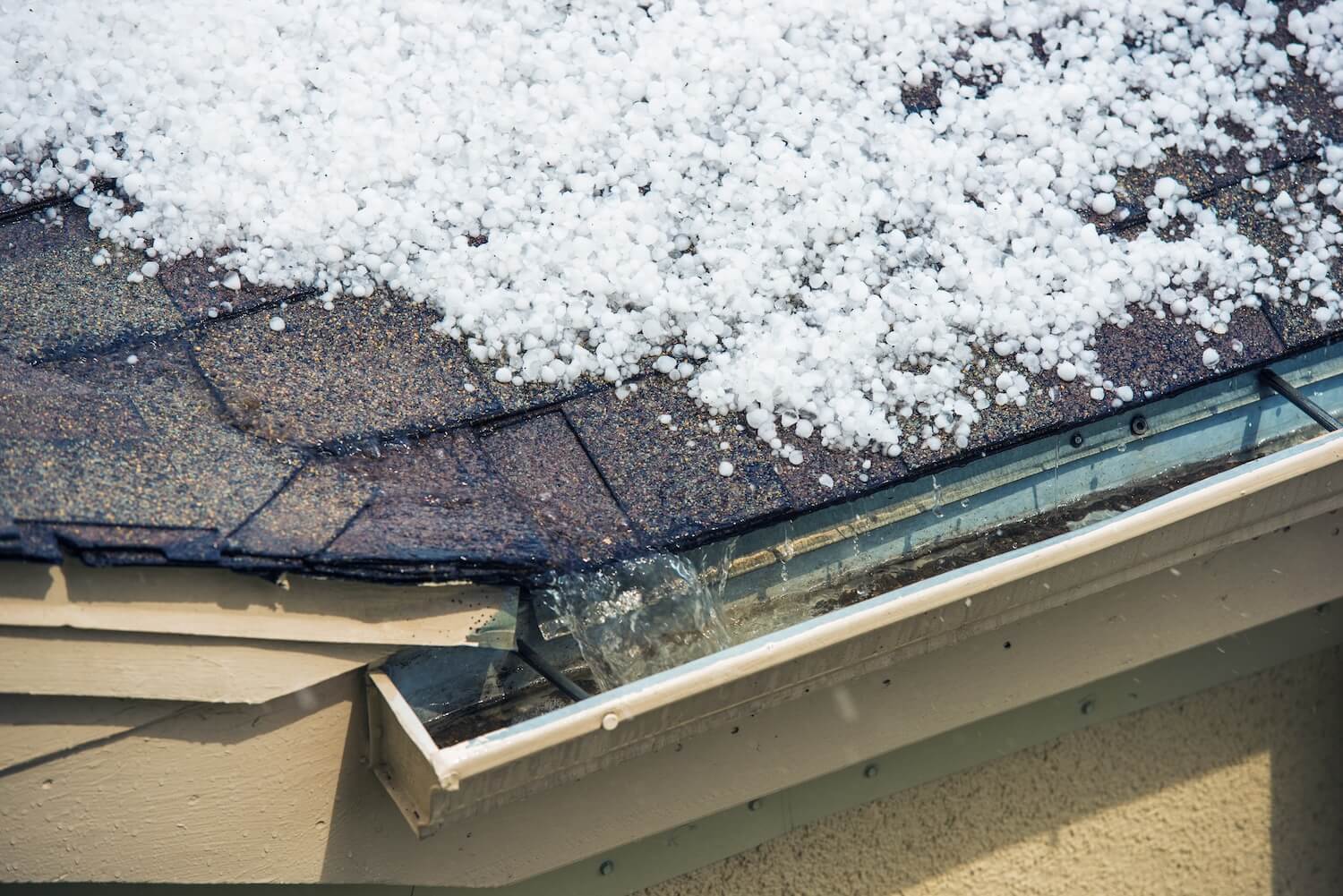
However, this sense of security is often a dangerous illusion because the most destructive storm damage is frequently “silent,” remaining hidden beneath the surface and waiting months or even years before manifesting as a visible leak. Discover why scheduling a professional roof inspection after any major storm is essential to catch hidden damage early and protect your home from costly repairs down the line.
The Deceptive Nature of Hail Impact
The primary reason hail damage is so easily overlooked is that hailstones rarely punch immediate holes through roofing materials. Instead of an instant puncture, hail typically causes what professionals call “bruising”. This occurs when a hailstone strikes an asphalt shingle with enough force to compress the underlying asphalt layer without necessarily breaking the surface granules immediately. From the ground, a bruised shingle looks perfectly normal, but the structural integrity of the material has been compromised at its core.
These impacts often dislodge the protective mineral granules that give asphalt shingles their color and, more importantly, their weather resistance. These granules serve as a critical shield against the sun’s ultraviolet (UV) rays. Once the granules are knocked away, the exposed asphalt becomes vulnerable to solar radiation, which quickly makes the material brittle and prone to cracking. This is why a roof that seems fine in the weeks following a storm can suddenly fail months later; it isn’t just the hail that caused the leak, but the slow, solar-driven decay of the weakened spots.
Wind: More Than Just Missing Roof Shingles
While hail bruises the roof, high winds engage in a different type of silent sabotage. Most homeowners only worry about wind damage when they see shingles lying in their yard, but significant damage can occur even when every shingle remains on the roof. Severe wind gusts can catch the edges of shingles and lift them up, a process known as “uplift”. This lifting often breaks the manufacturer’s sealant bond that keeps the roof watertight.
Even if the shingle settles back into place, the seal is gone, and the next rainstorm can drive water underneath the shingles and directly onto the roof deck. Furthermore, wind can cause shingles to “chatter,” which may lead to staples or nails backing out of the wood. These backed-out fasteners create small pathways for moisture to seep into the attic space. Because these issues are invisible from the ground, they often go undetected until the wood decking begins to rot or mold starts to grow in the insulation.
The Delayed Timeline of Roof Deterioration
Understanding why a leak waits months to appear requires a look at the “timeline of decay” that follows a major weather event. Immediately after a storm, the roof may be bruised or have broken seals, but the secondary layers of defense, such as the underlayment and ice and water shields, may still be holding back moisture. As the weeks pass, more granules wash away with every rainfall, often collecting in the gutters as a telltale sign of trouble.
The real turning point often comes with the changing of the seasons and the resulting temperature fluctuations. As the roof expands in the heat of the day and contracts in the cold of the night, the bruised and brittle areas of the shingles begin to crack. These microscopic fractures grow over time until they finally allow water to penetrate the entire roofing system. By the time a homeowner notices a water stain on their ceiling, the hail or wind event that caused the initial damage may be a distant memory, making it difficult to connect the two events.
The Financial Risk of “Waiting and Seeing”
Waiting for a leak to appear before calling a professional is one of the most expensive mistakes a homeowner can make. When damage is caught early through a professional inspection, it can often be addressed with a targeted repair. However, once a leak becomes visible inside the home, the scope of work often expands to include remediation for mold, repair of electrical systems, and replacement of water-damaged drywall and insulation.
Insurance companies also play a significant role in this timeline. Most homeowner policies cover storm damage, but they also place a responsibility on the homeowner to maintain the property and mitigate further damage. If a homeowner waits until a leak causes extensive interior damage, the insurance carrier may argue that the additional damage was due to negligence rather than the storm itself, potentially resulting in a lower payout or a denied claim. Furthermore, there is often a limited window, frequently one year from the date of the storm, to file a valid claim for roof repairs. Deschutes Roofing understands these complexities and works directly with homeowners and adjusters to ensure that all damage, even the most subtle bruising, is documented and accounted for.
Roofing Clues You Can Find on the Ground
While you should never attempt to climb onto your own roof to inspect for damage, there are several clues you can look for from the safety of the ground. Beyond looking for granules in your downspouts, you should check your home’s metal components. Hail that is strong enough to bruise shingles will almost always leave dents in softer metal items like roof vents, flashing, chimney caps, and gutters.
If you see circular impact marks or dents on these metal surfaces, it is a high-probability indicator that your shingles have also sustained damage. Additionally, check your surrounding property; if you see chipped paint on siding or dents in your vehicles, your roof likely stood in the path of the same destructive force. When these signs are present, it is critical to bring in a factory-certified professional who can perform a detailed assessment of the entire roofing system. Deschutes Roofing utilizes a meticulous process for these evaluations, often incorporating advanced technology like infrared cameras to find moisture that has already begun to seep into the structure but hasn’t yet reached the ceiling.
The Value of Professional Roof Inspections
A professional roof inspection provides more than just a list of repairs; it provides peace of mind and validated documentation. For Oregon residents, where the weather can be unpredictable, having an inspection performed at least twice a year, or immediately following any significant storm, is a best practice for long-term home health. A formal inspection report with photos serves as a permanent record of the roof’s condition, which is invaluable when dealing with insurance adjusters who may not have a background in professional roofing.
These experts know exactly what to look for, from “chatter” marks on shingles to subtle fractures in the valley flashings. They can distinguish between normal wear and tear and legitimate storm damage, ensuring that homeowners don’t miss out on the coverage they are entitled to. By catching issues early, property owners can avoid the stress of an emergency repair and plan for a controlled, professional restoration on their own schedule. As a family- and veteran-owned company, Deschutes Roofing treats every home with the same care they would their own, ensuring that no detail, however silent, is overlooked.
Frequently Asked Questions
Why did my neighbor get a new roof from the insurance company while my claim was denied, even though we had the same storm?
Insurance outcomes can vary based on several factors, including the specific wording of your policy, the type of roofing material you have, and the experience of the adjuster who visited your home. Some materials show damage more clearly than others, and some adjusters may miss the subtle “bruising” that indicates a compromised shingle. Having a professional roofer present during the adjuster’s visit can help point out these often-overlooked details.
If I don’t see any shingles missing, does that mean my roof is fine after a windstorm?
Not necessarily. Wind can lift shingles and break the sealant bond without blowing them off entirely. This “uplift” allows water to blow underneath the shingles during the next rain. A professional roof inspection is the only way to verify if the structural seals of your roof remain intact.
How long do I have to file an insurance claim after a hailstorm?
While every policy is different, many insurance companies require that a claim be filed within one year of the date the damage occurred. Waiting until a leak appears months later could put you outside of this window, leaving you responsible for the full cost of the repairs.
Can hail damage be repaired, or does the whole roof need to be replaced?
This depends entirely on the extent of the damage. If the hail was localized or minor, targeted repairs might be sufficient. However, if the bruising is widespread across multiple slopes of the roof, a full replacement is often necessary to restore the home’s protective envelope.
What are the signs of granule loss I should look for in my gutters?
You are looking for a collection of small, sand-like pebbles that match the color of your shingles. While some granule loss is normal as a roof ages, a sudden accumulation after a storm is a major red flag that the shingles have been impacted and their lifespan has been significantly shortened.
Does a newer roof have a better chance of surviving hail?
While newer shingles may be more flexible, they are still susceptible to bruising. In fact, some modern shingles are specifically designed for high impact resistance to better withstand these events, but no material is entirely immune to the physics of high-velocity hailstones.
Is an inspection really necessary if I don’t see any leaks in my attic?
Yes. By the time you see moisture in your attic, the water has already bypassed several layers of your roof’s defense. An inspection can find the damage on the surface before the water ever makes it into your home’s interior.
Conclusion: Protecting Your Home’s First Line of Defense
The roof is your home’s primary shield against the elements, but it is also the most vulnerable. Oregon’s wind and hail storms are powerful reminders that nature can compromise our security in ways we cannot always see. By understanding the “silent” nature of storm damage and the slow progression of decay that follows, homeowners can take a proactive stance in protecting their greatest investment.
Don’t let a lack of visible leaks lull you into a false sense of security. The months following a storm are a critical window for identifying hidden issues and securing the financial assistance needed for repairs. By choosing to act early and partnering with certified experts who understand the nuances of the Pacific Northwest climate, you ensure that your roof remains a reliable safety net for decades to come. Your home deserves a defense that is as resilient as the storms it faces, and that starts with a commitment to early detection and professional care.