 Skip to content

Imagine a Tuesday evening in Oregon. The wind begins to howl through the Cascades, and a sudden, violent hail storm rattles your windows. By morning, your driveway is littered with shingle granules and a few shattered tabs. You call your insurance agent, confident that your long-standing policy will cover the damage. Across the street, your neighbor is doing the same thing. You both have homes of similar age and roofs that were installed at the same time. Yet, a few weeks later, your neighbor receives a check that covers nearly the entire cost of a brand-new roof, while your payout barely covers a few minor repairs.
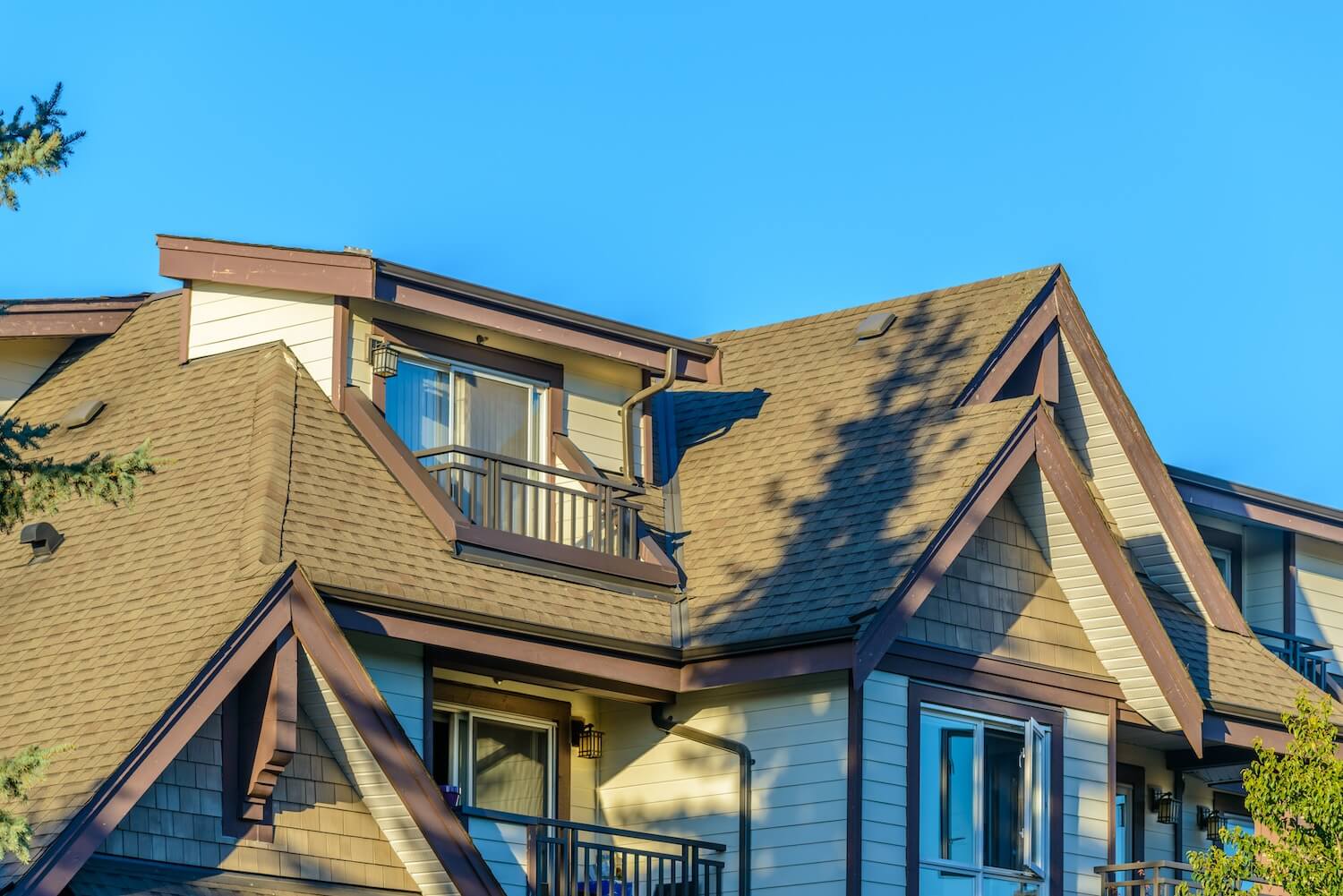
This frustrating discrepancy isn’t a matter of luck or your agent’s mood; it is the fundamental difference between Actual Cash Value (ACV) and Replacement Cost Value (RCV). In recent years, insurance carriers have significantly shifted how they handle roof claims, and understanding these “ins and outs” before a storm hits is the only way to avoid a devastating financial surprise.
The Core Definitions: ACV vs. RCV
To navigate a roof insurance claim, you must first understand the vocabulary of your policy. These two terms dictate how your insurer views the “value” of your roof at the time of a loss.
Actual Cash Value (ACV) is often described as the “used” value of your roof. Under an ACV policy, the insurance company calculates what it would cost to replace your roof with brand-new materials today and then subtracts depreciation based on the roof’s age and condition. Essentially, the insurer is only paying for the remaining “life” left in your shingles. If your roof is halfway through its expected lifespan, your payout might be half of what a new roof actually costs.
Replacement Cost Value (RCV), on the other hand, is the “new” value coverage. An RCV policy is designed to pay the full cost of replacing your damaged roof with similar materials at today’s current market prices. While depreciation is still calculated during the initial claim process, it is typically “recoverable,” meaning the insurance company will pay out that held-back amount once the work is completed and documented.
The Silent Payout Killer: Roof Depreciation
Depreciation is the most critical factor in the ACV vs. RCV debate. It represents the loss of value over time due to wear, tear, and age. When an adjuster evaluates an ACV claim, they don’t just look at the date you bought the shingles; they factor in the type of roofing system, its exposure to the sun, and how well it has been maintained.
In a real-world scenario, the impact of depreciation is staggering. Consider a roof with a $20,000 replacement cost that is 15 years old. If the insurer determines it has depreciated by 50%, an ACV policy starts the payout at $10,000. After you subtract your deductible, say, $1,000, your final check is $9,000. You are now responsible for coming up with the remaining $11,000 out of your own pocket to get your home back to its pre-storm condition.
For older roofs, the situation can be even more dire. A 20-year-old roof may be considered to have outlived its useful life entirely. Under some ACV schedules, a roof of this age might have $0 in remaining value, leaving the homeowner to foot the entire bill for a replacement even after a catastrophic storm.
Why the Insurance Shift is Happening: The Rise of ACV
Many homeowners in Oregon are discovering that their policies have quietly changed. You may have signed up for an RCV policy a decade ago, but insurance carriers are increasingly moving older roofs, often those over 10 or 15 years old, into ACV coverage automatically upon renewal.
There are several reasons for this industry-wide insurance trend:
- Increased Storm Frequency: The Pacific Northwest and other regions are seeing more frequent high-wind events and heavy snowstorms, leading to a massive volume of claims.
- Rising Costs: The price of roofing materials and labor has climbed sharply in recent years, making roof replacements one of the most expensive parts of a homeowner’s claim.
- Risk Mitigation: By switching older roofs to ACV, insurance companies limit their financial exposure. They view an old roof as a high-risk “used item” rather than something they should be obligated to replace with a brand-new product for a standard premium.
How to Spot the Fine Print in Your Roof Insurance Policy
Because these changes often happen during annual renewals, they can be easy to miss. You might not see “ACV” in large bold letters on your front page. Instead, look for specific endorsements or “loss settlement” language in your policy documents.
Watch for phrases like “Roofs over 10 years old are ACV only” or “Depreciation schedule applies”. Some policies may even include a “Cosmetic Damage Exclusion,” which means the insurer won’t pay for hail dents on a metal roof or shingles if the roof is still technically “functional,” even if it looks battered. Another common hurdle is a separate, higher deductible specifically for wind and hail damage. Instead of a flat $500 or $1,000, this might be a percentage of your home’s total value, which can drastically increase your out-of-pocket expenses.
The Role of Professional Roof Expertise in the Insurance Process
Filing a roof claim is often a daunting experience, and the field adjuster who visits your home may not have actual building or roofing experience. They often rely on contractors to point out less obvious damage details that could be missed during a quick walk-around. This is where having an advocate becomes essential.
Deschutes Roofing is a veteran-owned and family-operated company that specializes in navigating these complex insurance waters. They routinely meet with field adjusters on-site to conduct “inside and out” evaluations, using tools like infrared cameras to find leaks and structural wear that might not be visible from the ground. By communicating these technical details to the adjuster, they can often help ensure a fair and comprehensive settlement.
Whether you are dealing with winter damage from heavy snow or a sudden windstorm, the team at Deschutes Roofing understands the “ins and outs” of the claims process. They have experience working with all major carriers and can help translate the fine print of your policy into a clear plan for repair or replacement. Furthermore, because they offer 100% financing options, they can help bridge the gap if your policy is ACV and leaves you with a large unexpected bill.
Taking Action Before the Next Storm
The best time to learn you have an ACV policy is not after your kitchen ceiling starts leaking. Homeowners should take proactive steps today to protect their investment:
- Directly ask your agent: Send an email asking, “Is my roof covered at ACV or RCV today?” and get the answer in writing.
- Request a professional inspection: Knowing the current age and condition of your roof helps you understand how depreciation might apply to a future claim.
- Review your “Loss Settlement” section: Look for any endorsements that limit roof coverage specifically.
- Evaluate your risk tolerance: If you have an ACV policy, ensure you have savings set aside to cover the depreciation gap, or consider shopping for a policy that offers RCV even on older roofs.
By choosing high-quality materials and ensuring proper installation, you can also make your roof more resilient to future storms, which can sometimes help in securing better insurance terms. Deschutes Roofing uses premium products from industry leaders like GAF and Owens Corning, backed by exceptional warranties, ensuring that when you do replace your roof, it is built to last.
Frequently Asked Questions (FAQ)
What is the biggest difference between ACV and RCV?
The primary difference is depreciation. ACV policies subtract value based on the roof’s age and wear, whereas RCV policies pay the current cost to replace the roof with new materials.
Is it possible for my house to have RCV but my roof to have ACV?
Yes. It is very common for insurance companies to treat the roof as a separate category, applying ACV to the roof once it reaches a certain age while keeping the rest of the home’s structure under RCV.
Does an ACV policy mean my claim will be denied?
Not necessarily. ACV affects the calculation of the payout, not the validity of the claim itself. The damage is still covered, but the check you receive will be smaller because depreciation is taken out.
Can I switch from an ACV policy back to an RCV policy?
Sometimes. This typically depends on the age and condition of your roof. If you have a professional inspection or replace your roof entirely, you may qualify to move back to RCV coverage.
Why are insurance companies switching so many roofs to ACV?
It is a risk-management strategy. Because roofs are expensive to replace and prone to storm damage, carriers use ACV to limit their payouts on older inventories that already have significant wear.
How do I find out what kind of coverage I have?
Review your policy’s “Declarations Page” and look for the “Loss Settlement” section. You should also look for any “Roof Surface Endorsements” or “Hail Damage Endorsements” that might limit your payout.
What should I do if my insurance payout is too low?
Consult with a professional roofing contractor who has experience with insurance claims. They can often identify missed damage or calculation errors that may allow for a “supplement” to increase the payout.
Roof Insurance Conclusion: Knowledge is Your Best Defense
The “Price of Protection” involves more than just paying your monthly premium; it requires a clear understanding of the contract you’ve signed. A roof is the most vulnerable and expensive part of your home to maintain, and the difference between ACV and RCV can represent a five-figure difference in your bank account after a storm.
In Oregon’s unpredictable climate, you need a roofing system and a roof insurance policy that work together to protect your home. By being proactive, asking the right questions of your agent, and partnering with experts like Deschutes Roofing, you can ensure that the next storm remains nothing more than noise on the shingles rather than a financial catastrophe.