 Skip to content

Understanding Insurance Estimates: Terms You Should Know
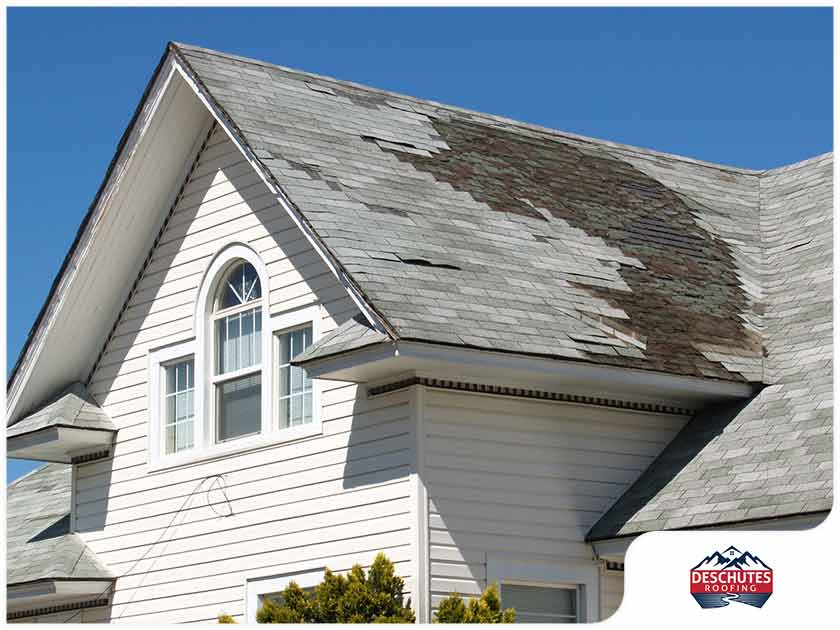
Homeowners should document signs of storm damage as soon as it’s safe to go outside. Once your insurer receives documentation of the extent of storm damage, they’ll send an adjuster who’ll assess the damage and calculate your insurance payout. It’s recommended that you have your roofing contractor at your home when your adjuster arrives. If your contractor […]
Understanding Insurance Policies: What ACV and RCV Mean

Insurance companies have different ways of calculating your insurance payout. However, the recognized standard method for calculating reimbursements is to use the actual cash value (ACV) or market value. The ACV is calculated by subtracting depreciation from the replacement cost. (In a statement of loss, depreciation refers to the amount that won’t be released until […]
Filing a Hail Damage Insurance Claim

Depending on their size, hailstones can cause significant damage to personal property. Fortunately, in most states, standard insurance policies cover hail damage. The majority of claims filed with insurers result from hail damage to roofing systems. Keep in mind that filing a hail damage insurance claim isn’t as straightforward as it seems. To help you […]
The Benefits of Working With a Master Elite® Roofer
It’s a given that you’ll need to vet a prospective roofing contractor before hiring them. Fortunately, the vetting process doesn’t have to be tedious. There are several ways to speed up the vetting process without compromising any of the results. One such way is to check a roofer’s certifications. To qualify for these certifications, contractors need to […]
3 Reasons Seamless Gutters Are Better
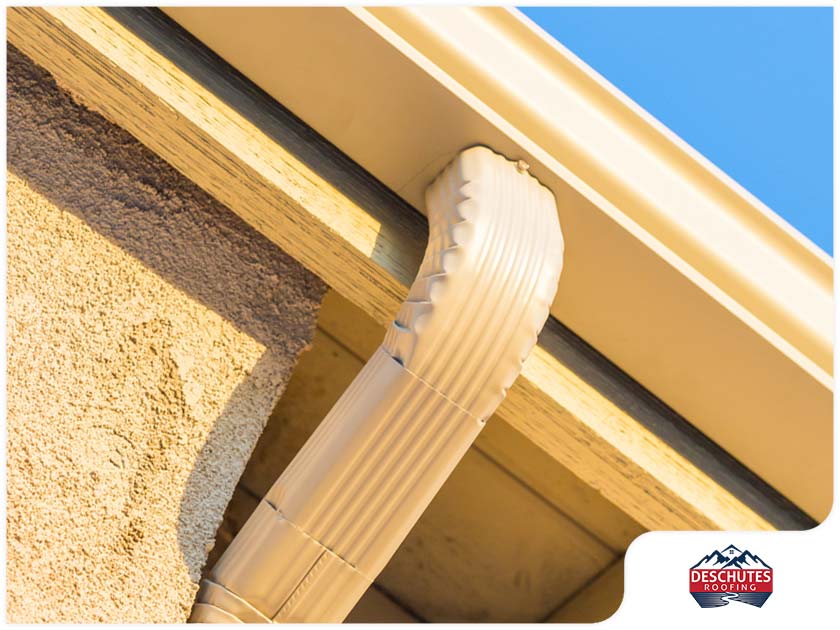
Installing a gutter system requires thorough decision making. From picking out long-lasting materials to prepping your home for the installation process, it can be a lot to tackle. Another thing to consider is the type of gutter to use. Although most of it comes down to aesthetics and budget, seamless gutters offer incredible benefits that other […]
How to Keep an Attic Cool in the Summer – the 4 Best Steps
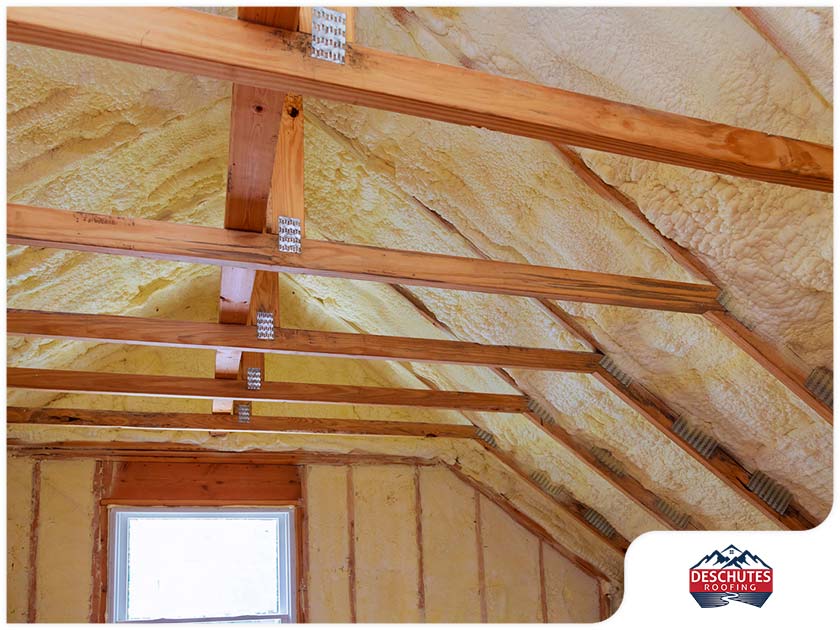
An intensely hot, humid attic is something to worry about. The temperature in an unventilated attic can reach up to 150 degrees—50 degrees higher than it should be—in the summer season. This situation leads to many dangerous and costly problems such as baked asphalt shingles, overworked air conditioners, increased utility bills, and heightened demand for roofing […]